Lawyers Email Marketing: How to Do It in the Most Accurate Way
Most lawyers focus heavily on getting traffic. But the real leverage happens after someone fills out your intake form. If you don’t follow up strategically, those potential clients may disappear.
That’s why a simple automated email sequence can confirm their request, answer common objections, reinforce your credibility, and prompt them to book — all without adding manual work to your day.
In this guide, you’ll learn how to effectively do email marketing for lawyers.
What Is Email Marketing for Lawyers?
Email marketing for lawyers is a structured system for communicating with prospects, current clients, and referral partners using automated and broadcast emails.
Most law firm email marketing includes two core components:
- One-to-many campaigns: Newsletters, legal updates, announcements
- Automated sequences: Intake follow-ups, consultation reminders, onboarding emails, post-case check-ins
Why Email Marketing Is Essential for Law Firms
Legal decisions rarely happen instantly.
With Postcards Email Builder you can create and edit email templates online without any coding skills! Includes more than 100 components to help you create custom emails templates faster than ever before.
Free Email BuilderFree Email TemplatesMost prospects compare multiple firms. They read reviews. They discuss options with family. Sometimes they wait days or even weeks before booking.
If you don’t follow up, you’re invisible during that window.
Email marketing keeps your firm present during long decision cycles. It answers common objections, reinforces credibility, and reminds prospects to take the next step.
It’s also measurable.
You can track:
- Open rates
- Click-through rates (CTR)
- Consultation bookings
- Practice-area engagement trends
And the ROI is well documented. According to industry research, email marketing generates an average return of $36 for every $1 spent, making it one of the most cost-effective digital channels for nurturing leads over time.
Types Of Emails Law Firms Commonly Send
Most law firm email marketing falls into one of these types:
Legal Newsletters: Legal newsletters are usually sent monthly to keep your firm visible. They often include legal updates, blog summaries, firm news, or approved case highlights.
With Pulsetic you’ll be instantly notified the moment your website, API, or server becomes unavailable. Monitor uptime from multiple global locations and respond to incidents before your users are affected.
Create beautiful status pages in minutes to keep customers informed during outages and build trust with transparent communication.
Start Monitoring for FreeClient Onboarding Emails: Onboarding emails go out after someone hires your firm. They explain what happens next, what documents are required, and how communication will work.
Re-Engagement Emails: Re-engagement emails are sent to contacts who have not responded in a while. They usually include a short check-in message or an invitation to reconnect.
Event Invitations: Event emails promote webinars, seminars, or informational sessions. They outline what the event covers, who should attend, and how to register. A follow-up email can be used to thank attendees and share relevant resources.
Educational Tips And Legal Advice Emails: These emails answer common questions or explain legal processes in plain language.
Referral Request Emails: Referral emails are sent to satisfied clients or professional contacts to encourage introductions. They should express appreciation first, then briefly remind the recipient what types of matters your firm handles.
Best Email Marketing Tips for Lawyers
You don’t need complicated funnels or daily broadcasts to make email marketing work for your law firm.
You need structure.
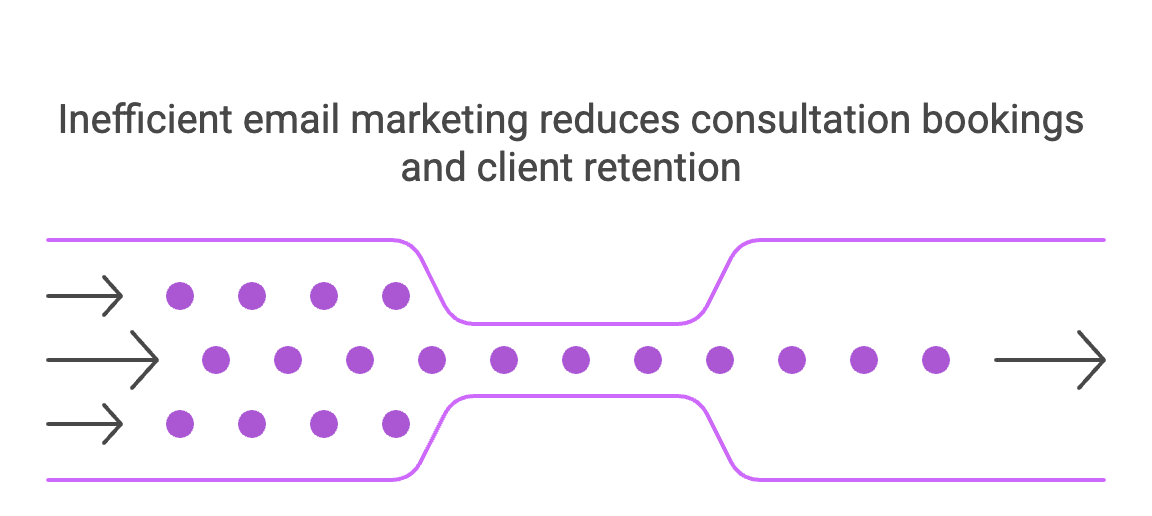
Small adjustments in timing, messaging, and automation can improve consultation bookings and client retention. Here are a few tips that actually move the needle.
1. Build a Permission-Based Email List
A permission-based email list includes people who have agreed to receive emails from your law firm.
You get that permission when someone submits a consultation form, signs up for updates, downloads a resource, or checks a box allowing follow-up communication.
Without consent, don’t send emails, as that would decrease the engagement level. Focus on qualified interest instead, because a smaller list of people who chose to hear from you will outperform a larger list that didn’t.
2. Segment For Relevance
Not everyone on your email list needs the same message.
If someone contacted you about business compliance, don’t send them updates about family law. If a person already subscribed to you, they shouldn’t receive the same emails as a new inquiry.
Group your contacts in simple ways:
- Practice area.
- Lead vs. active client vs. past client.
- Referral partner vs. prospect.
Even basic segmentation like this makes your emails more focused and easier to act on. And when your messages match the reader’s situation, they pay attention. When they don’t, they unsubscribe.
3. Personalize When Possible
When sending emails, use the recipient’s first name, reference the practice area they inquired about, or mention the resource they downloaded or the consultation they scheduled.
If someone contacted you about estate planning, acknowledge that. If they’re mid-case, tailor the message to their stage.
These small adjustments make your emails feel relevant.
4. Focus On Educational Value
Most prospects aren’t ready to hire immediately. They’re trying to understand their situation. What does the process look like? How long will it take? What should they prepare?
So use your emails to answer those questions.
Explain common legal processes in plain language. Break down timelines. Clarify what happens before, during, and after a case. Address common misconceptions you hear during consultations.
When you consistently provide clarity, you reduce uncertainty. And when uncertainty drops, booking a consultation feels like the natural next step.
5. Keep Emails Clean And Concise
People skim through emails, especially on mobile. If your message looks dense, it won’t get read.
To prevent this, use short paragraphs, add clear headings when needed, and focus on one main call to action per email.
Before sending, ask yourself: Can someone understand this in under 30 seconds? If yes, send it. If not, rework it because only clarity can increase clicks.
6. Optimize Subject Lines
Your subject line determines whether your email gets opened. 69% of people report them if they don’t sound relevant.
So keep it clear and specific by avoiding exaggerated promises or vague phrases like “Important update” or “Don’t miss this.”Focus on clarity instead of cleverness. For example:
- “What to expect during your divorce consultation.”
- “Documents needed for your estate planning meeting.”
- “Next steps in your personal injury claim.”
Test different variations over time — questions vs. direct statements, short vs. slightly longer subject lines — and monitor open rates.
7. Monitor Performance And Improve
Check your results regularly. Look at open rates, click-through rates, and consultation bookings.
Notice patterns in engagement and adjust subject lines, content, or sending frequency when needed. Small changes over time lead to better long-term performance.
8. Stay Compliant And Respect Privacy
Treat every email as a professional communication:
- Include a clear unsubscribe link
- Use accurate sender information
- Display your firm’s physical address
Compliance protects your credibility, reinforces trust, and reduces unnecessary risk.
Email Templates for Lawyers
Need some inspiration to get started? Here are a few ready-made email templates for lawyers:
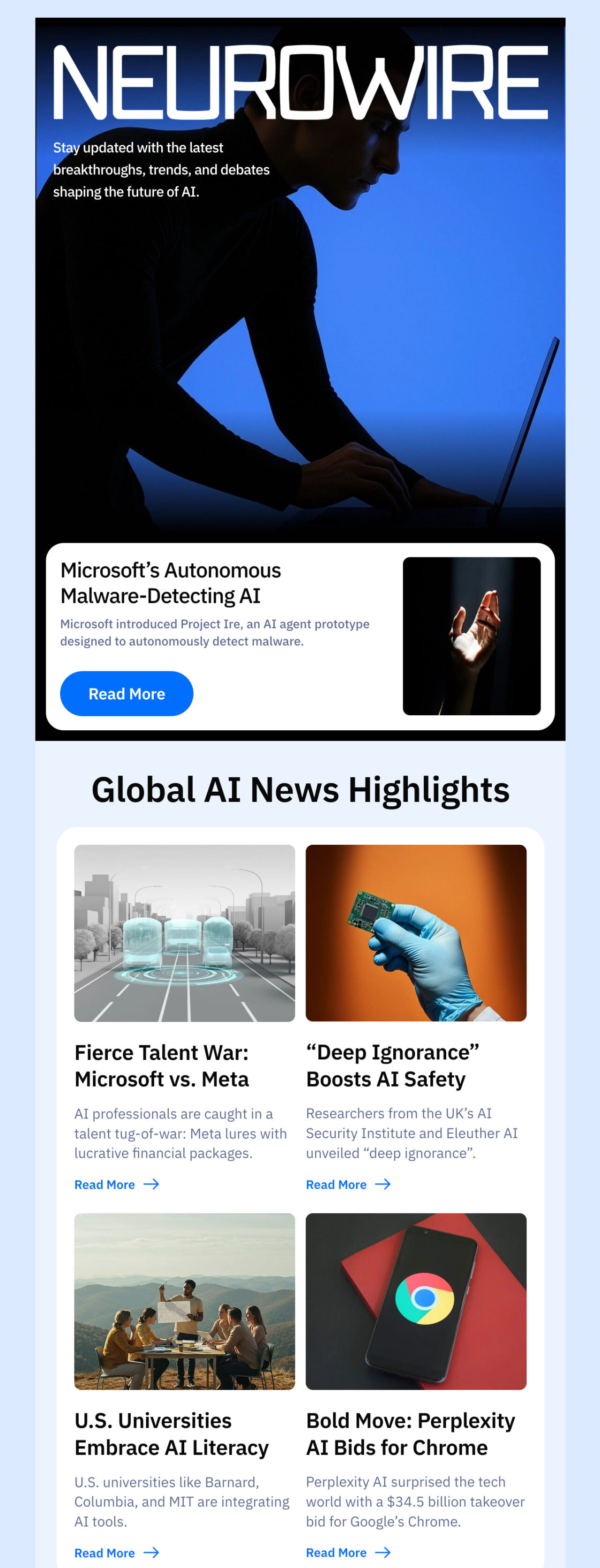
See the full email template and edit it in Postcards
Neurowire’s top section works well for highlighting an important legal development or firm announcement. The structured content blocks below allow you to include blog summaries, case updates, or industry insights in a clear format.
It’s a good choice for law firms that publish regular updates and want a modern, authoritative newsletter layout.
2. ImpactFest: Best for Event Invitations and Webinar Promotions

Edit this email template in Postcards
ImpactFest is perfect for law firms hosting seminars, webinars, or client information sessions. The layout clearly presents the event details, speaker information, and a prominent registration button.
You can use it to promote legal workshops, compliance briefings, or educational events.
3. Flowly: Best for Client Onboarding and Welcome Emails

Edit this email template in Postcards
Flowly best fits as a welcome or intake follow-up template. Its layout clearly introduces the next steps and guides the reader through what to expect.
You can adapt it for new client onboarding, consultation confirmations, or explaining how the case process will move forward.
Build an Email for Your Law Firm With Designmodo
Once you understand how law firm email marketing should work, the next step is building your templates.
You don’t need to design emails from scratch. With Designmodo’s Postcards app, you can use a drag-and-drop editor to create structured, professional layouts. Choose a template, replace the placeholder content with your firm’s messaging, and adjust sections to match your practice area and goals.
Each content block can be edited, duplicated, or rearranged. That flexibility makes it easier to keep your emails clean, consistent, and aligned with your brand.
FAQs
What Is The Best Advertising For Lawyers?
The best advertising for lawyers combines strong visibility with structured follow-up. Channels like SEO and paid search bring in high-intent prospects, while reviews and local listings reinforce credibility. What truly drives results, however, is how well you convert and nurture those inquiries after they come in.
How To Do Marketing For A Law Firm?
Marketing for a law firm starts with clarity about who you serve and which matters you want to attract. From there, build visibility through search, local listings, helpful content, and paid campaigns when appropriate. The firms that grow consistently also focus on intake optimization and follow-up, not just traffic.
How To Attract Legal Clients?
To attract legal clients, you need visibility, credibility, and responsiveness working together. Prospects compare multiple firms, so clear messaging, strong reviews, and prompt follow-up are must-haves. Often, the firm that communicates most clearly and consistently wins the consultation.