5 Best Substack Alternatives: Which Platform Should You Choose?
Substack has become one of the most popular platforms for launching a paid newsletter. It makes it easy for writers, journalists, and creators to publish content, grow an audience, and monetize through subscriptions — all without needing technical skills.
But as your newsletter grows, you may need advanced automation or affordable fees. And at that point, Substack may feel limiting.
In this guide, we’ll explore the top 5 Substack alternatives to help you understand which is the best newsletter software for your goals.
Why You Need to Look for an Alternative to Substack
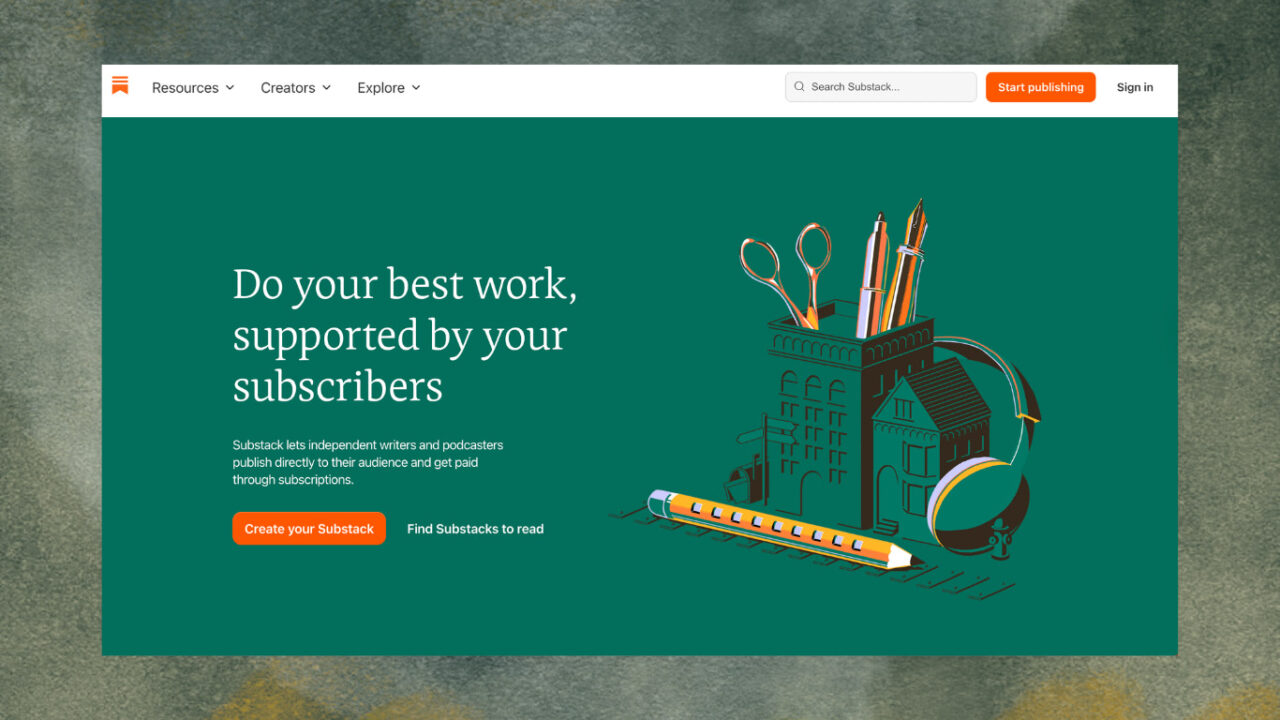
Here are a few reasons why Substack may not be enough, and you need an alternative:
- Limited automation: Substack focuses on publishing and paid subscriptions, but it does not offer advanced email sequences or automated funnels. If you want to nurture subscribers or build structured campaigns, it is fairly basic.
- Basic segmentation: Subscriber grouping options are limited. You may struggle to target readers based on behaviour, interests, or engagement levels.
- Restricted branding: Customization options are simple. This can make it harder to create a fully branded website and email experience that feels unique to your business.
- High fees: Substack takes a 10 percent cut of your revenue. When you add payment processing fees, the total can reach around 13 percent. As your newsletter grows, this becomes a noticeable cost.
- Not built for advanced marketers: If you want detailed analytics or testing options, Substack may feel too limited.
What to Look for in a Substack Alternative
Before switching to an alternative, you have to look for these four essentials:
- How much it costs: Some platforms take a percentage of the money you earn from paid subscribers. Others charge a fixed monthly fee. Check which option makes more sense for your budget as your audience grows.
- Grouping your subscribers: As your list grows, you may want to send different emails to different people. Choose a platform that lets you organize subscribers based on their interests or actions.
- Design and branding: Make sure you can customize how your emails and website look. Check if you can use your own domain name and adjust colours, layouts, and templates.
- Ease of use: The platform should be easy to set up. If you are new to email marketing, look for platforms that offer clear dashboards and helpful guides.
5 Best Substack Alternatives
There are many newsletter platforms available, but the right choice depends on your goals. Some platforms focus on helping you earn money from subscriptions, while others offer stronger marketing tools or better design flexibility.
With Postcards Email Builder you can create and edit email templates online without any coding skills! Includes more than 100 components to help you create custom emails templates faster than ever before.
Free Email BuilderFree Email TemplatesBelow, we’ll look at some of the best Substack alternatives:
1. MailerLite
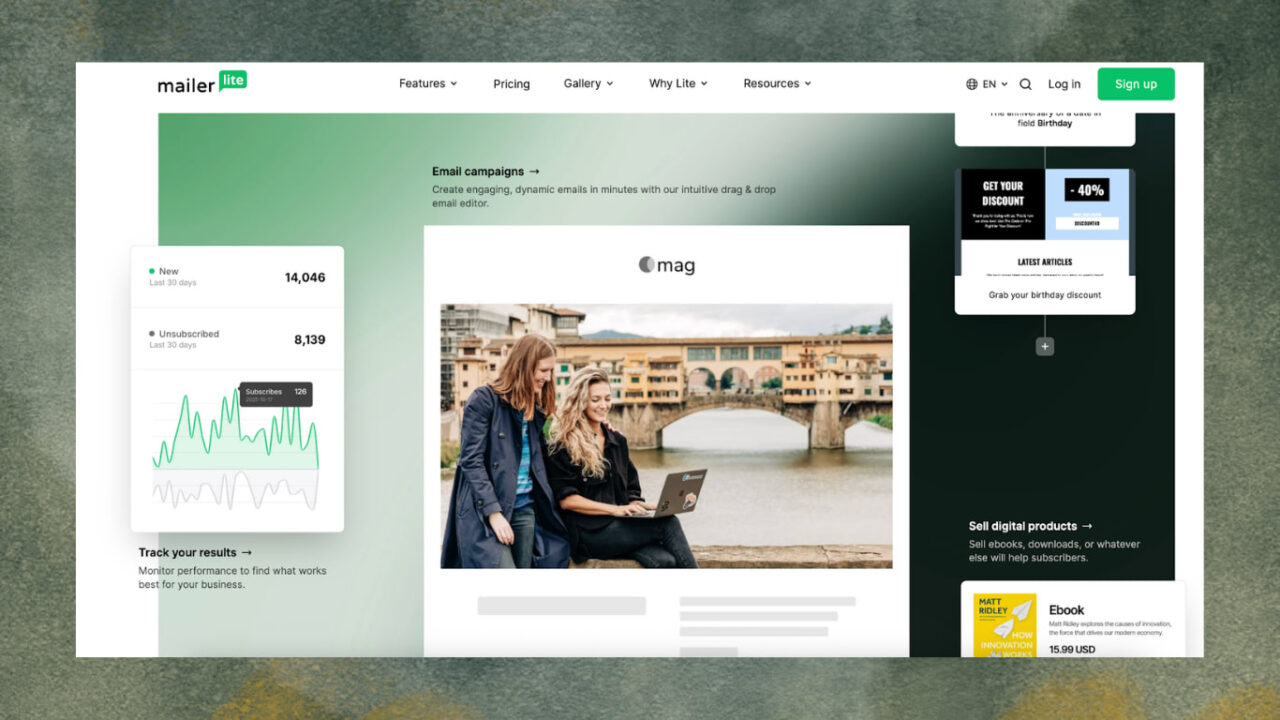
MailerLite is an email marketing platform that combines newsletter publishing, automation, and monetization tools in one system.
Unlike Substack, MailerLite focuses heavily on email marketing features. You can:
- Build automated email sequences
- Create signup forms
- Manage subscriber groups with more flexibility.
The interface is clean, and the drag-and-drop email editor gives you full design control to create branded emails, something Substack currently limits.
MailerLite also includes a built-in website and landing page builder where you can publish blog content, create product pages, and design custom signup pages.
It also includes built-in monetization tools. You can sell digital products, offer paid newsletter subscriptions, and create product landing pages directly within the platform.
Pricing plans
You can use it for free for 14 days. Once the trial is over, choose the paid option that works best for you need:
With Pulsetic you’ll be instantly notified the moment your website, API, or server becomes unavailable. Monitor uptime from multiple global locations and respond to incidents before your users are affected.
Create beautiful status pages in minutes to keep customers informed during outages and build trust with transparent communication.
Start Monitoring for Free- Free: 1 user gets a drag-and-drop editor and a limit of 10 landing pages
- Growing Business: 3 user seats, including selling digital products with unlimited websites and blogs, landing pages, and page builders
- Advanced: unlimited user seats with AI writing assistance, Facebook integration, and a custom HTML editor
2. Ghost
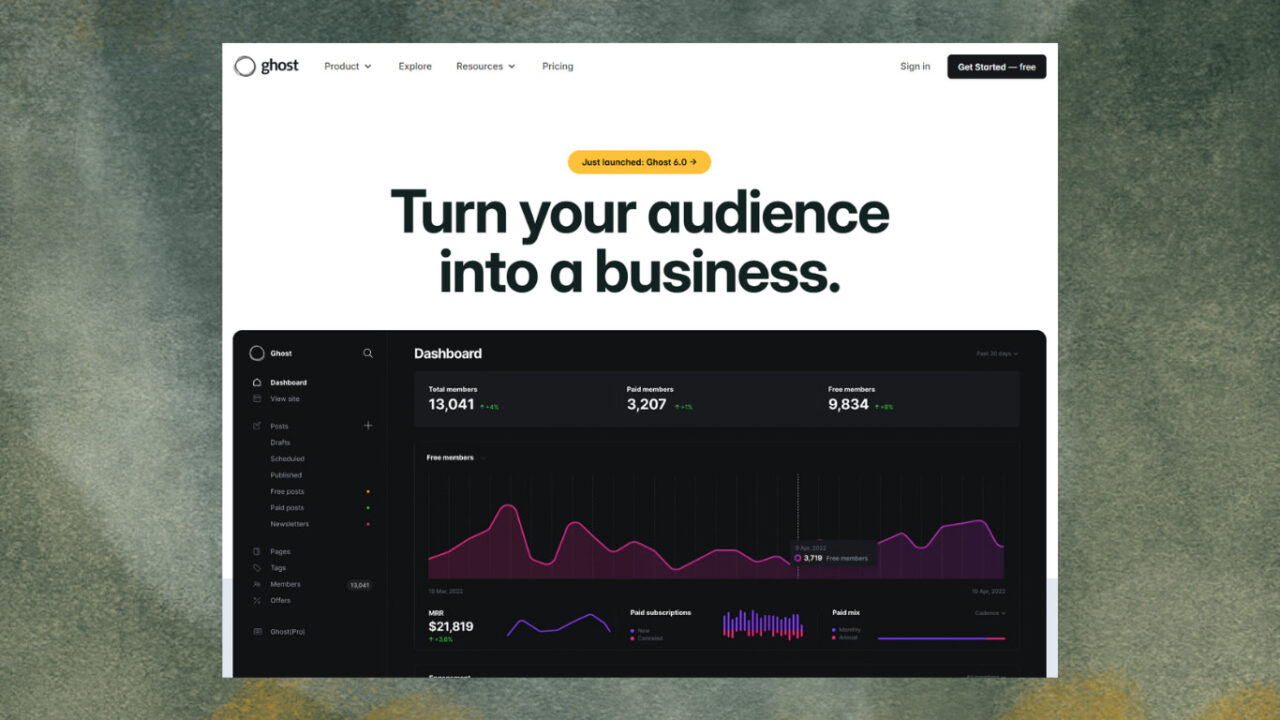
Ghost is a publishing platform that combines a website, a blog, and email newsletters in one system. It is built for creators and small teams who want full control over their content and audience.
You can run free and paid memberships. Payments connect to your own Stripe account, and Ghost does not take a percentage of your subscription revenue. This makes it a strong option if you want to avoid revenue share models.
Ghost also includes built-in email sending and audience grouping. You can send newsletters to different member tiers and organize subscribers using labels.
It offers more control than Substack. However, it requires slightly more setup and management.
Pricing Plans
Ghost is free for 14 days and offers tiered pricing based on the number of members and feature access:
- Starter: entry plan for solo newsletters, basic website, and email
- Publisher: mid-tier for custom themes and member features
- Business: higher plan for higher member limits
- Custom: enterprise-level with unlimited users and advanced options
3. Beehive
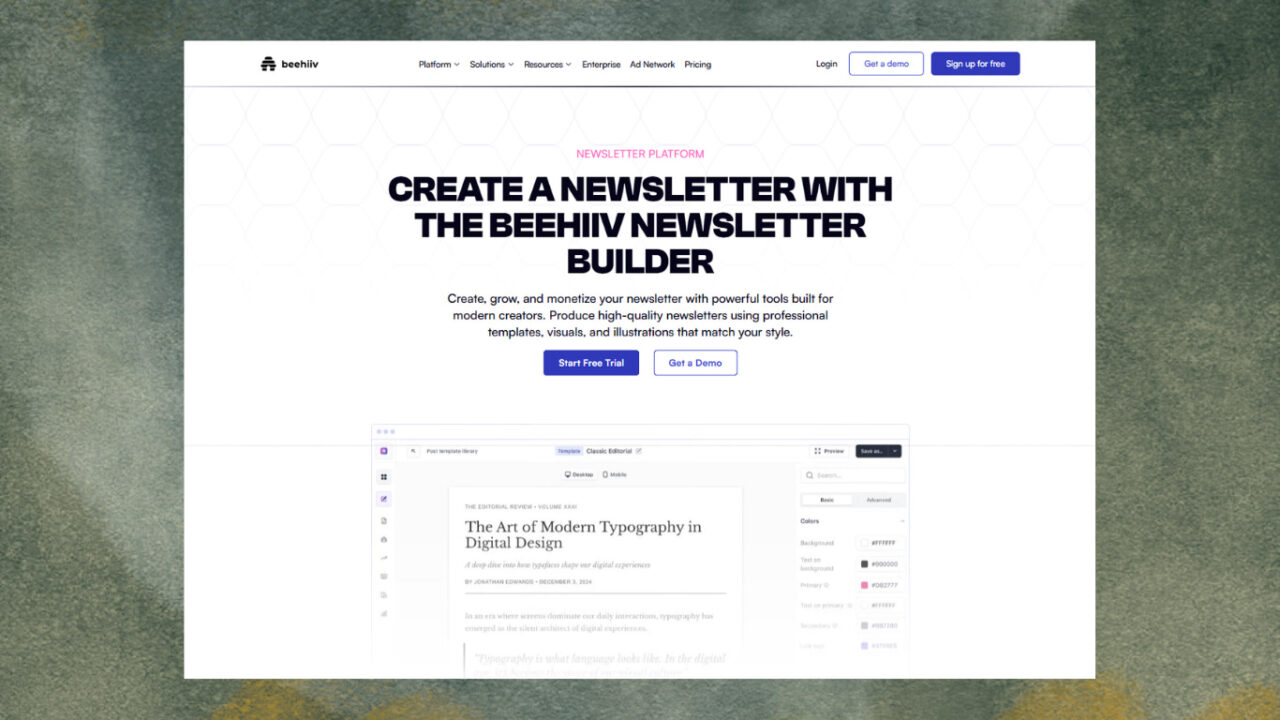
Beehiiv is an all-in-one newsletter platform for creators who want to grow and monetize an audience.
You get a website builder, newsletter publishing option, basic SEO tools, and even podcast feed support inside the same system. This reduces the need to connect multiple tools early on.
In addition, you can offer paid subscriptions, run sponsored content, and manage ad placements directly inside the platform. This makes it suitable for independent writers and small media brands that want to generate revenue from day one.
Pricing Plans
Beehiiv offers tiered pricing based on subscriber count and feature access. All plans include unlimited email sends:
- Free: up to 2,500 subscribers
- Scale: up to 1,000 subscribers
- Max: up to 10,000 subscribers
- Enterprise: Custom 100k+ subscriber limits
4. Kit
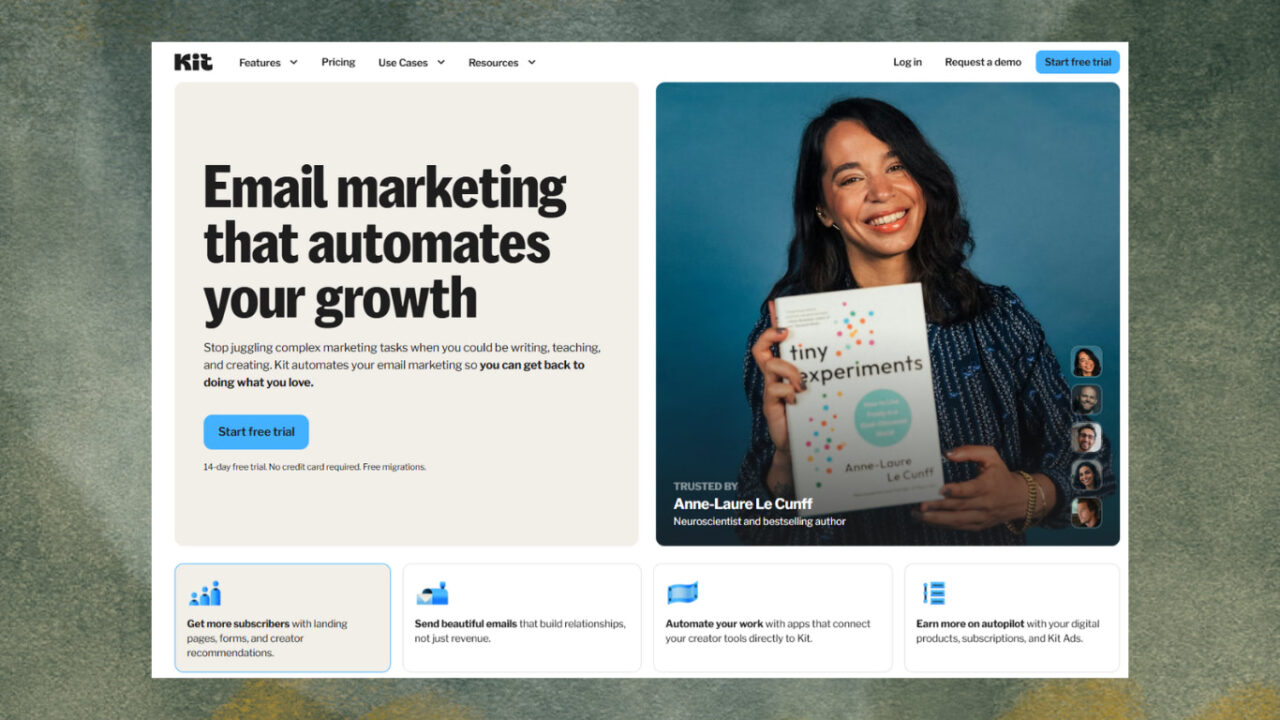
Kit is a newsletter and content platform designed to help creators publish, share, and grow their audience without complexity.
With Kit, you can create posts that look good on both the web and in email. It provides a simple editor where you can write, format text, and add images without needing technical skills.
Unlike Substack, Kit focuses heavily on email marketing tools rather than just publishing.
You can send broadcasts, create automated email sequences, and organize subscribers based on their behavior. This makes it a strong option if you plan to build funnels or promote products over time.
Pricing Plans
Kit offers three pricing plans along with a 14-day free trial:
- Free: Limited features for small lists
- Creator: Paid plan that unlocks automation and advanced tools with 24/7 email & chat support
- Pro: Higher-tier plan with unlimited users, additional reporting, and priority email support
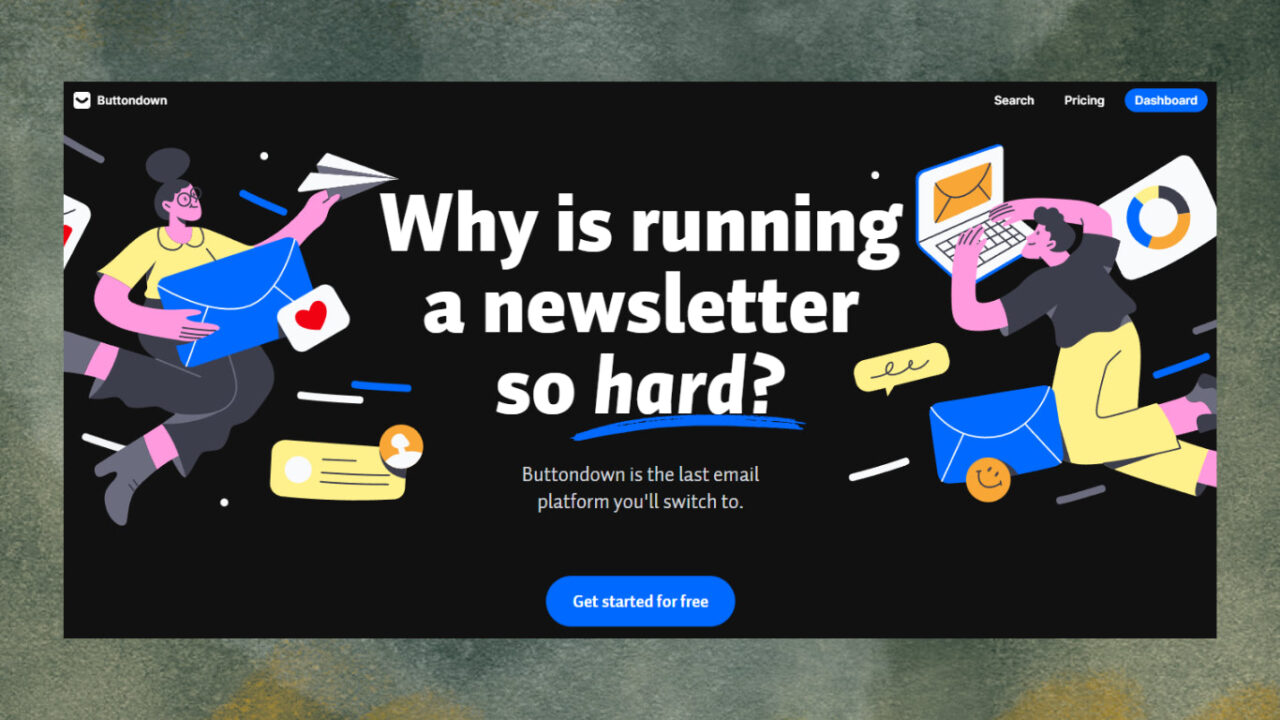
Buttondown is a simple platform that offers developer-friendly features such as API access for users who want more control. It focuses on email publishing rather than growth features or website building.
It also includes basic automation, subscriber grouping, and analytics. However, it does not offer built-in website builders or advanced growth tools like referral programs.
Pricing Plan
Buttondown offers two pricing plans:
- Free: charges nothing for your first 100 subscribers
- Paid plans: Monthly pricing increases as your subscriber list grows.
How to Choose the Best Platform That Matches How You Plan to Grow
The best Substack alternative is not the one with the most features. It is the one that fits how you plan to build.
Before choosing a platform, decide what role your newsletter plays in your business. Is it a
- Side project?
- Media brand?
- Revenue channel?
- Lead generation tool?
The right Substack alternative is the one that supports your long-term strategy. So, choose based on where you want to be in a year or two.
No matter which platform you choose, your email design does not have to be limited by its built-in editor.
Designmodo offers ready-made HTML email templates that you can customize and export to almost any newsletter platform. This includes Substack and most of its alternatives like MailerLite, Ghost, Beehiiv, Kit, and Buttondown.
Instead of relying only on a platform’s default layouts, you can build your email in Designmodo, export clean HTML, and upload it directly to your chosen platform. This gives you:
- Full control over branding, layout, and visual style
- Professional, responsive email designs
- Flexibility to switch platforms without redesigning everything
If you are comparing Substack alternatives for better marketing features or lower fees, you can still keep a consistent, polished design across all of them by using Designmodo templates as your design layer.
FAQs
What Are the Drawbacks of Using Substack?
Substack offers limited automation and basic subscriber grouping. You cannot build advanced email funnels or detailed behavior-based campaigns. Customization options are also restricted, which makes branding harder for businesses.
Substack also takes a 10 percent cut of paid subscriptions, plus payment processing fees. As your revenue grows, these fees can become significant.
What’s More Popular, Substack or Medium?
Both platforms are popular, but they serve different purposes. Substack focuses on paid newsletters and direct subscriptions. Writers build their own audience and earn through memberships.
Medium works more like a content marketplace. Writers publish articles, and earnings depend on members’ reading time within Medium’s ecosystem.
Is Substack Growing or Dying?
Substack is still growing, especially among independent writers, journalists, and niche creators. However, competition is increasing as new tools now offer better features.
Is Substack Oversaturated?
Some categories on Substack are competitive, like tech, business, and politics. However, success depends more on positioning and audience clarity than on the platform itself. There is still room for niche newsletters with a clear focus and consistent publishing schedule.