20 Fun and Creative Newsletter Ideas to Try in 2026
Are you still wondering if newsletters are worth doing in 2026? The short answer is yes.
Email still performs better than most social media channels. On average, newsletters see an open rate of 35%, while organic social posts usually reach only 2 to 4% of followers.
That means more people actually see and read what you share in their inbox.
In this guide, we’ll share 20 fun newsletter ideas you can use in 2026, along with simple ways to make them engaging and easy to send.
Here are 20 fun things to do with your newsletter:
1. Behind the Scenes
To make an interesting newsletter update, add behind-the-scenes where you talk about what you are working on right now. Share how ideas start, the decisions you are making, and the process before anything is finished.
With Postcards Email Builder you can create and edit email templates online without any coding skills! Includes more than 100 components to help you create custom emails templates faster than ever before.
Free Email BuilderFree Email TemplatesLook at this example from Amy Suto.
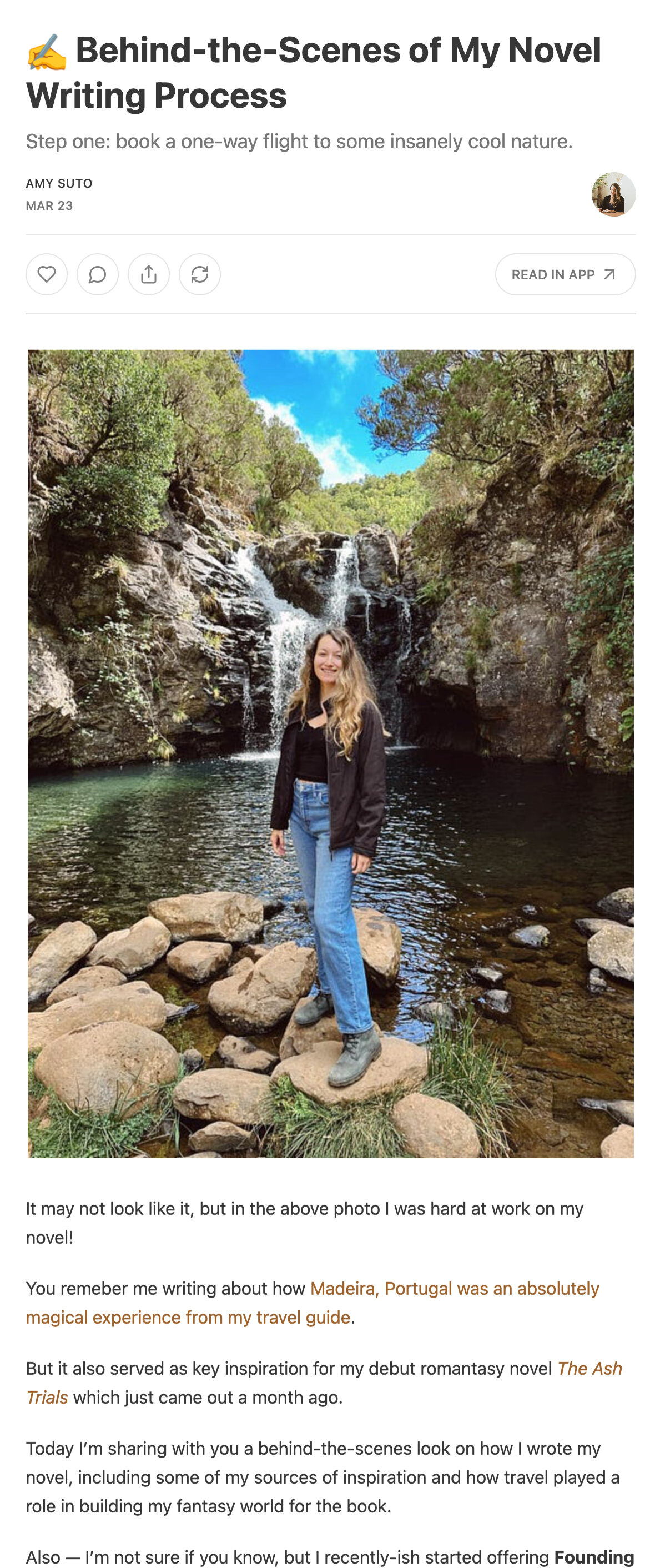
She shares the BTS of how she wrote the novel, what inspired her, and what the creator is working on right now. This newsletter also adds personal updates and progress notes, which makes the email feel open and real.
2. Mini Quiz or Trivia
To make your newsletter more fun, add a mini quiz or trivia question. This can be a simple question related to your industry, your product, or something your audience already knows. It gives readers something quick to think about, rather than scrolling past the email.
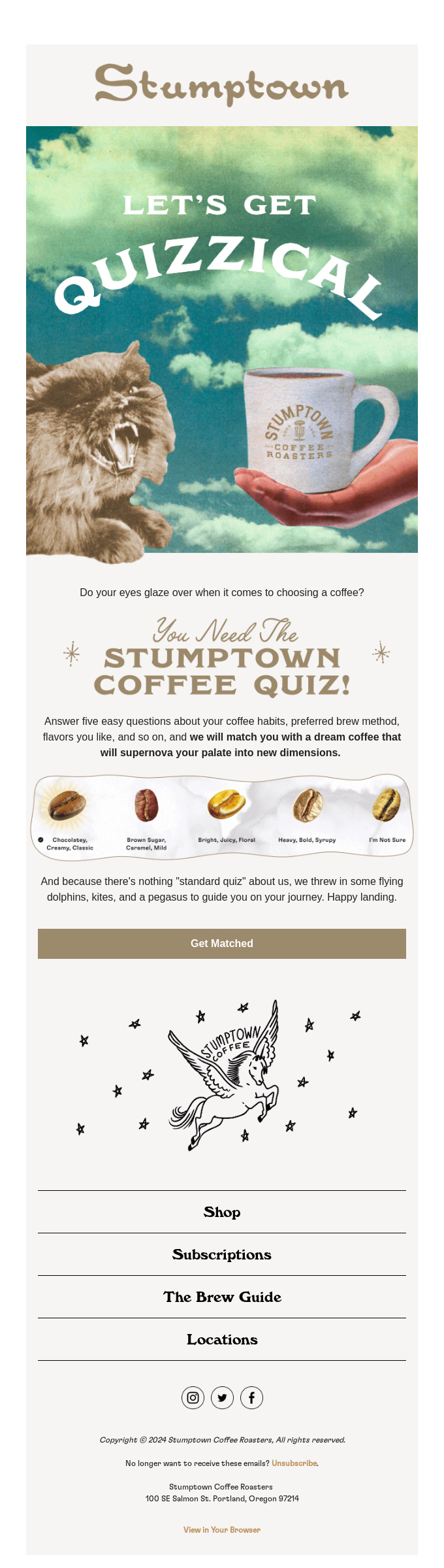
For example, if you run a fitness brand, you can ask a short question like, “How many calories are burned during a 30-minute walk?” You can reveal the answer in the next email or at the end of the newsletter.
3. Questions-Answers
Your audience asks the same questions again and again. A Q&A newsletter lets you take those questions and answer them clearly in one focused email.
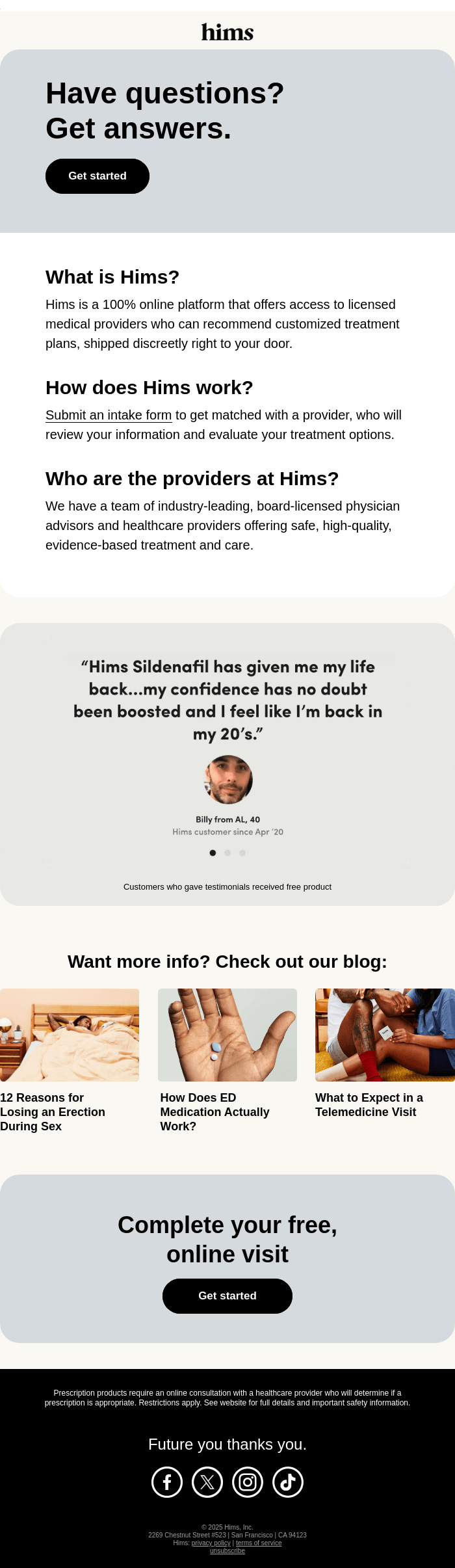
When readers open your email and see a question they’ve asked themselves, it immediately feels relevant. So, clear and direct answers help them move forward without feeling like they’re being sold to, which makes the newsletter feel genuinely helpful.
4. Quick How-To Guide
A quick how-to guide teaches readers one small thing they can use right away. Instead of covering everything, you focus on a single task and walk through it step by step in plain language.
This format works because people like practical help they can apply immediately. When readers finish your email feeling like they actually learned something, they’re more likely to trust your content and open the next newsletter.
With Pulsetic you’ll be instantly notified the moment your website, API, or server becomes unavailable. Monitor uptime from multiple global locations and respond to incidents before your users are affected.
Create beautiful status pages in minutes to keep customers informed during outages and build trust with transparent communication.
Start Monitoring for FreeTake a look at this Morning Brew newsletter:
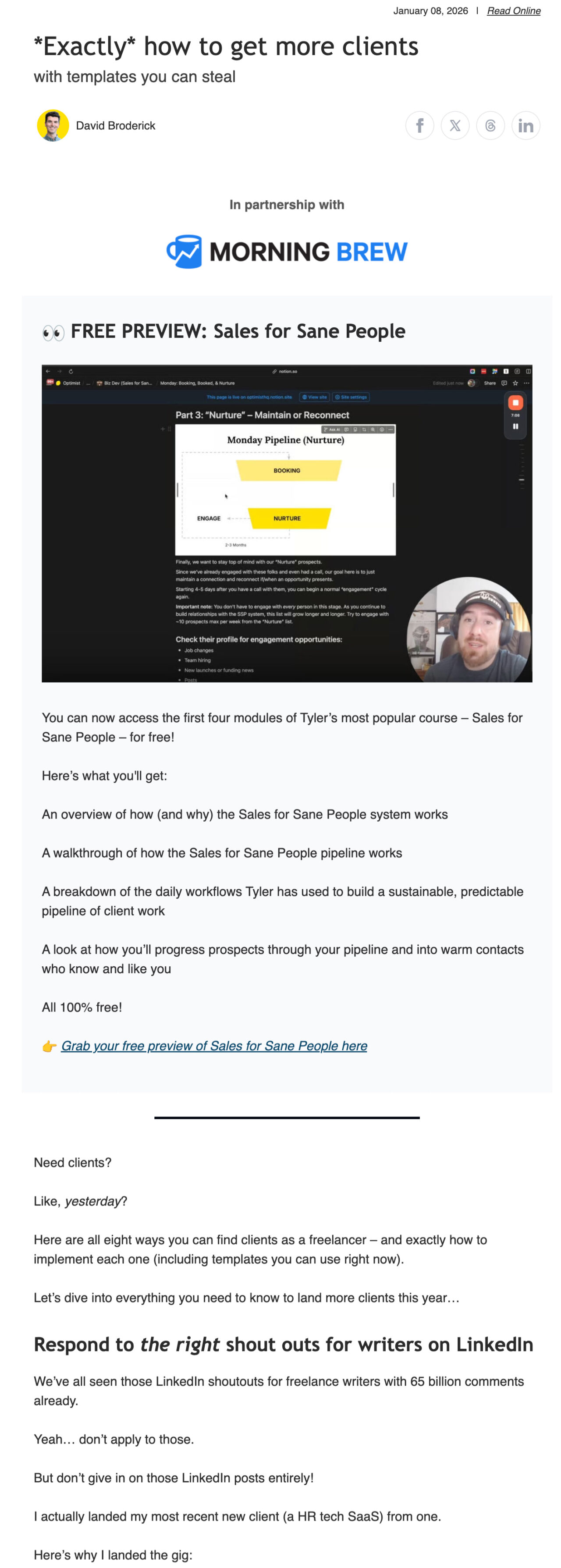
The content is structured, skimmable, and action-focused. Readers can follow along and apply one step at a time, feeling like they actually learned how to do something.
Write about something that actually happened to you:
- Moments at work that surprised you
- Mistakes you didn’t expect to make
- Small wins that changed how you think about what you do
These emails land differently because they feel like a perspective. Readers are watching how you handled something and quietly taking notes for themselves. That’s what makes personal stories easier to trust and remember.
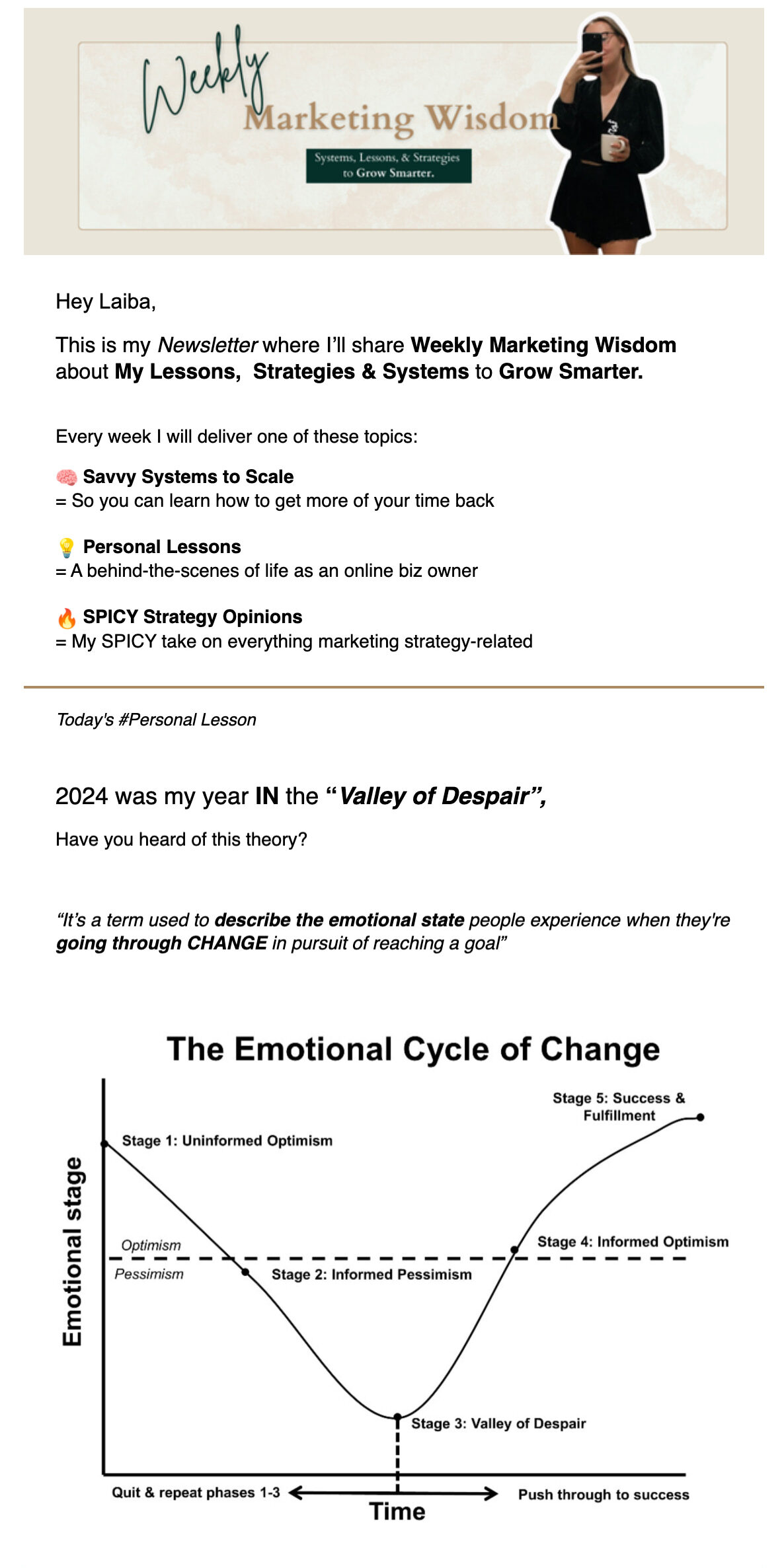
Weekly Marketing Wisdom is a strong example of sharing personal experience in a newsletter. Here she walks readers through a real moment, explains what it felt like, and shows what she learned along the way.
6. Run a Short Survey
Sometimes you don’t need to guess what your audience thinks. You can ask them. To do so, include a short survey in your newsletter, and ask readers to share their opinion in a few seconds, without typing long answers or filling out forms. Because it’s quick and effortless, more people actually respond.
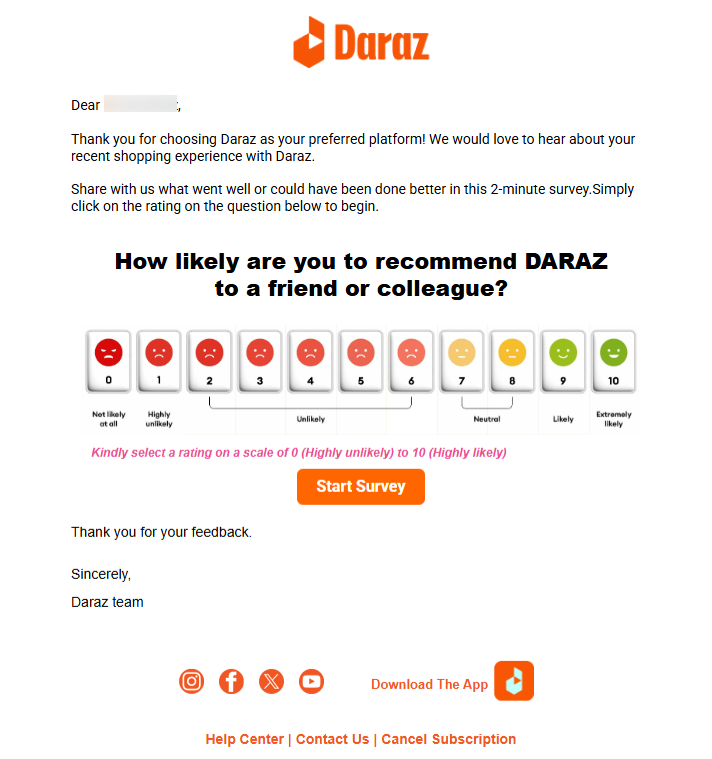
Daraz, an e-commerce platform, used this approach well. It asked one clear question with simple rating options, and a quick click. When feedback feels this easy to give, more people participate, and your newsletter becomes a two-way conversation.
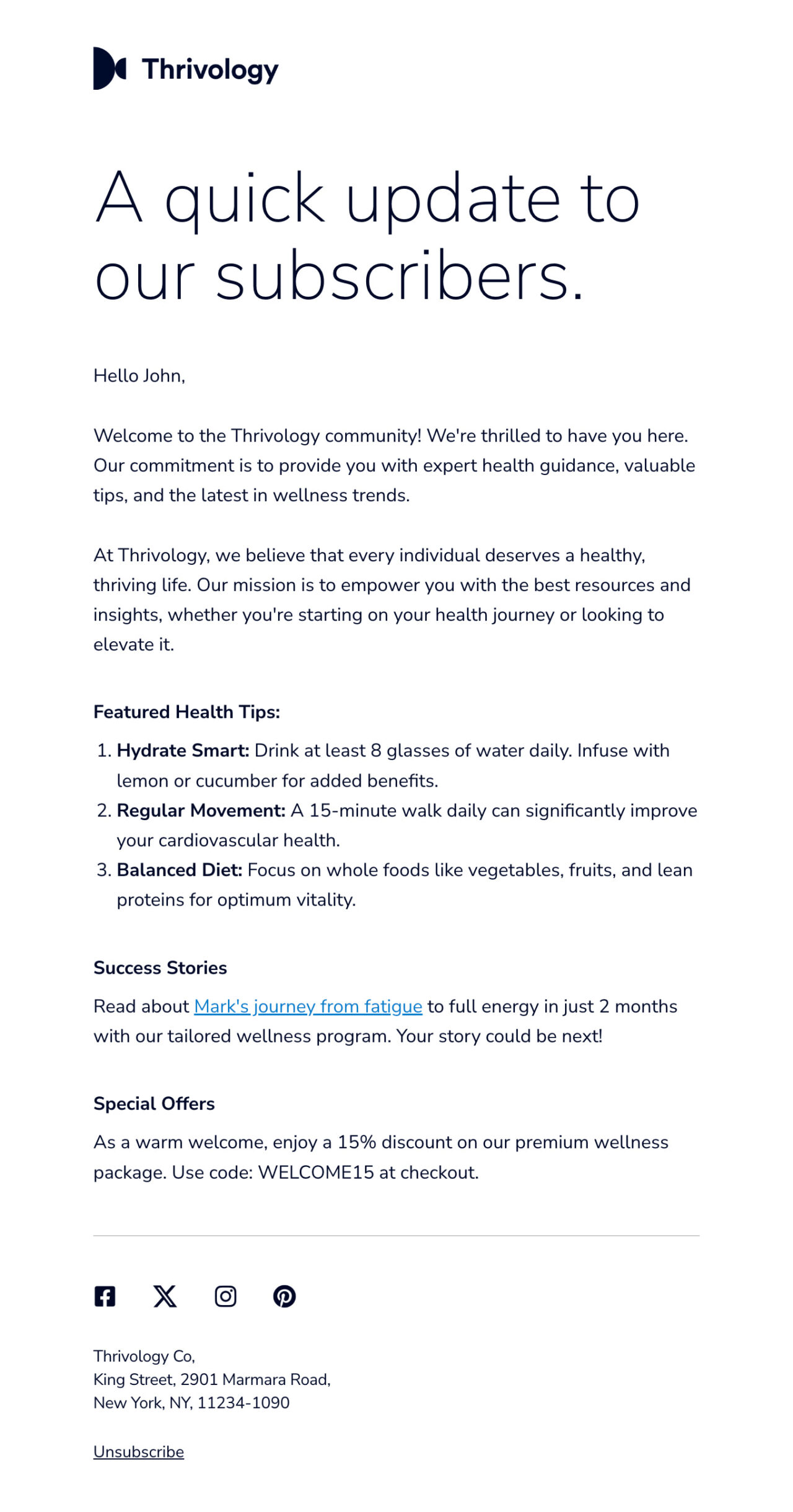
Use your newsletter to share quick tips your readers can apply right away. This could be one useful tip explained in a few lines or a short list of tips broken into bullets. The goal is to make it easy to read and even easier to use.
Edit this email template in Postcards
These emails work well because they respect the reader’s time. People can open the email, learn something useful in seconds, and move on without feeling overwhelmed.
Take a look at this template from Designmodo.
8. Product and Feature Updates
If you constantly ship small improvements or roll out new features, your newsletter is a good place to keep people in the loop without overwhelming them.
Instead of emailing every time something changes, bundle a few related updates together and share them in one place. That way, readers can quickly see what’s new, what’s better, and what’s worth checking out.
Edit this email template in Postcards
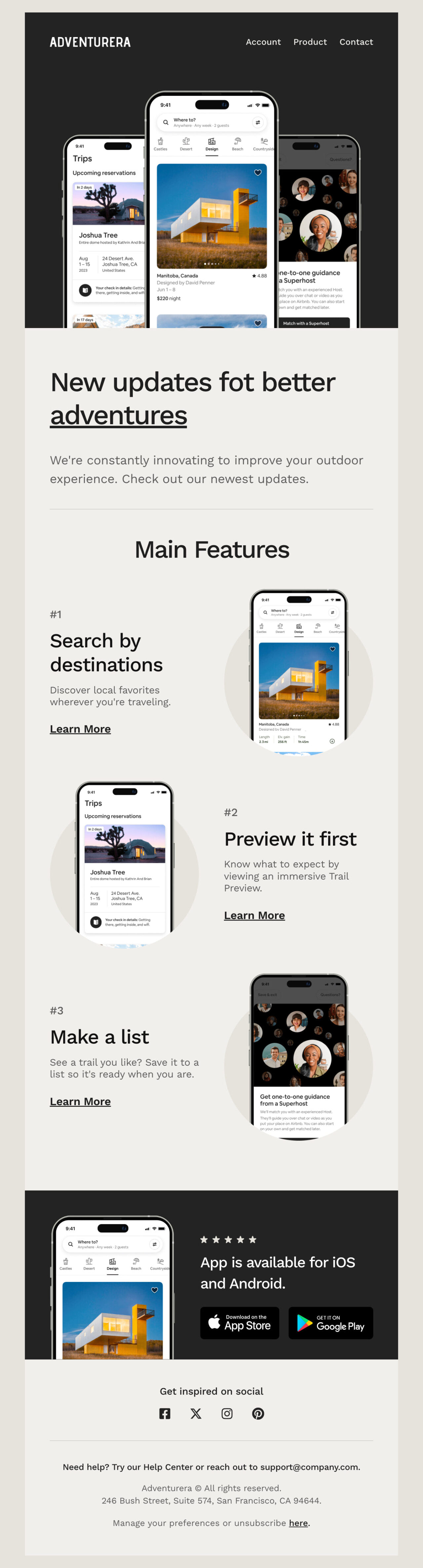
This Adventurera example shows how visuals can carry most of the message. Readers can understand what changed without reading long explanations.
If your brand or newsletter is still new, your story matters more than you think. People would want to know why you started and what pushed you to begin in the first place.
So, this is your chance to talk about the early days. Share:
- What problem were you trying to solve?
- What felt difficult at the beginning?
- What made you keep going when things weren’t clear yet?
Those details help readers understand the purpose behind what you do.
When people know the story behind a brand, trust comes more naturally. They remember where you came from, what you stand for, and why your work exists. And that connection lasts much longer than any feature update.
10. Ask for Feedback
Sometimes you’re not sure what your audience enjoys. So, instead of guessing, you can ask them directly using a feedback newsletter.
In this newsletter, you invite readers to share what’s working for them and what they’d like to see more of. You don’t need to overcomplicate it.
Edit this email template in Postcards
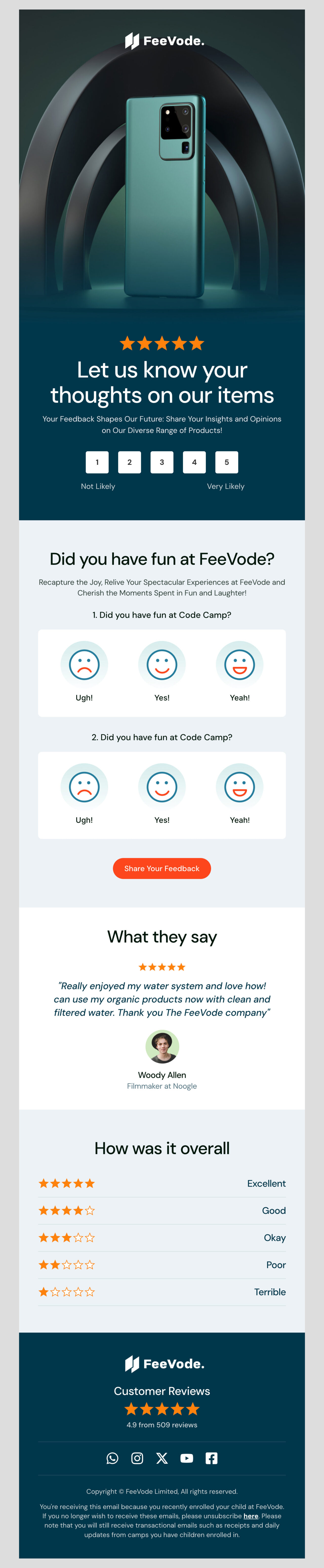
Ask readers to reply to the email or link to a short survey that takes a few seconds to complete. This makes people feel they’re being valued. And when they feel heard, they’re more likely to stay engaged and their responses help you shape content that actually fits their needs.
11. Offer Exclusive Deals and Promotions
Sometimes people want a clear reason to stay subscribed and exclusive offers do exactly that. So, you can share early access, special discounts, or deals they won’t see anywhere else.
Such emails feel less like marketing and more like a perk. When subscribers know they’re getting something extra for being on your list, they pay more attention and act faster. Over time, that sense of exclusivity turns casual readers into loyal ones.
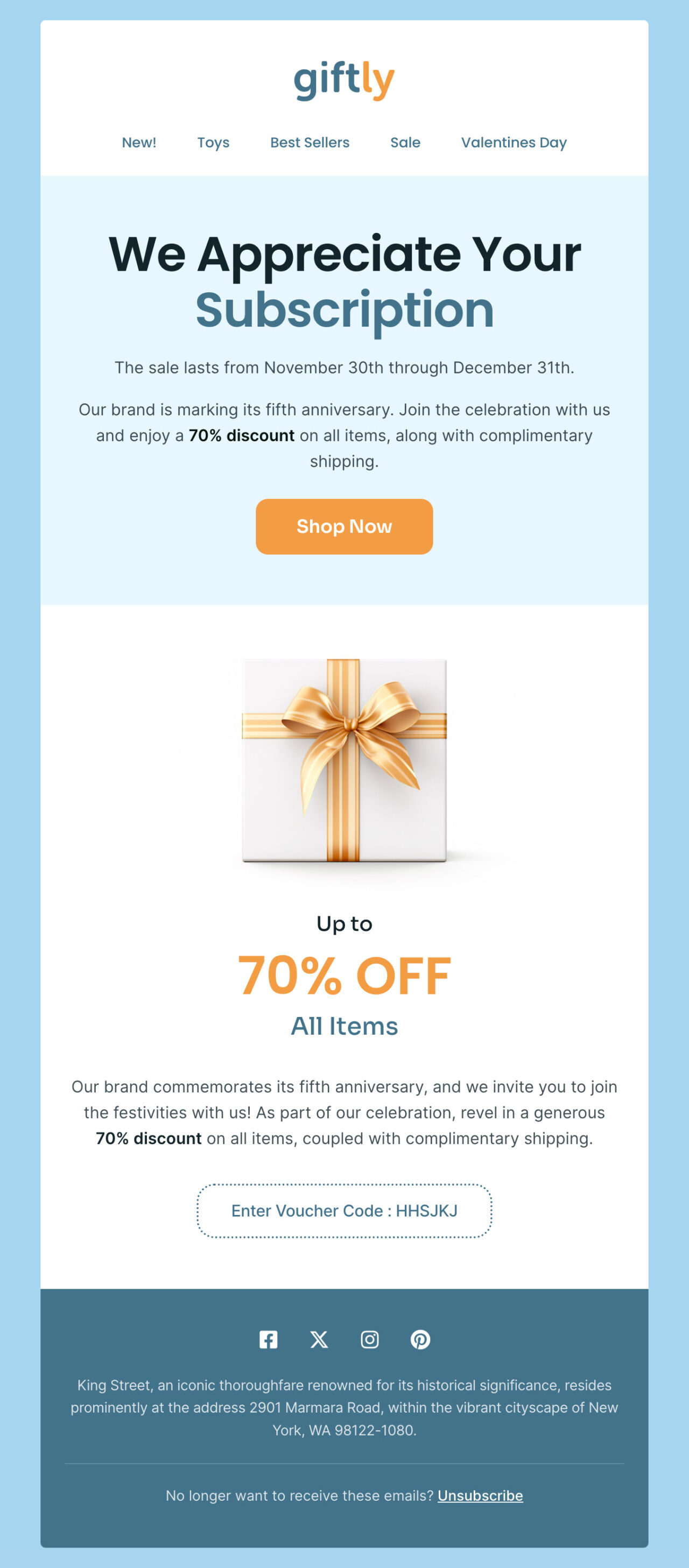
This template from Giftly shows how to do this well.
Edit this email template in Postcards
The offer feels celebratory, not pushy. The discount, time frame, and call to action are easy to spot, so readers instantly understand what they’re getting.
12. Roundups
Roundups help readers catch up without feeling behind. Instead of sharing updates one by one, you pull everything important from a specific time period and put it all in one email.
This could be a weekly recap, a monthly highlight, or a full year-in-review. It’s especially helpful for subscribers who may have missed a few emails but still want to know what mattered most.
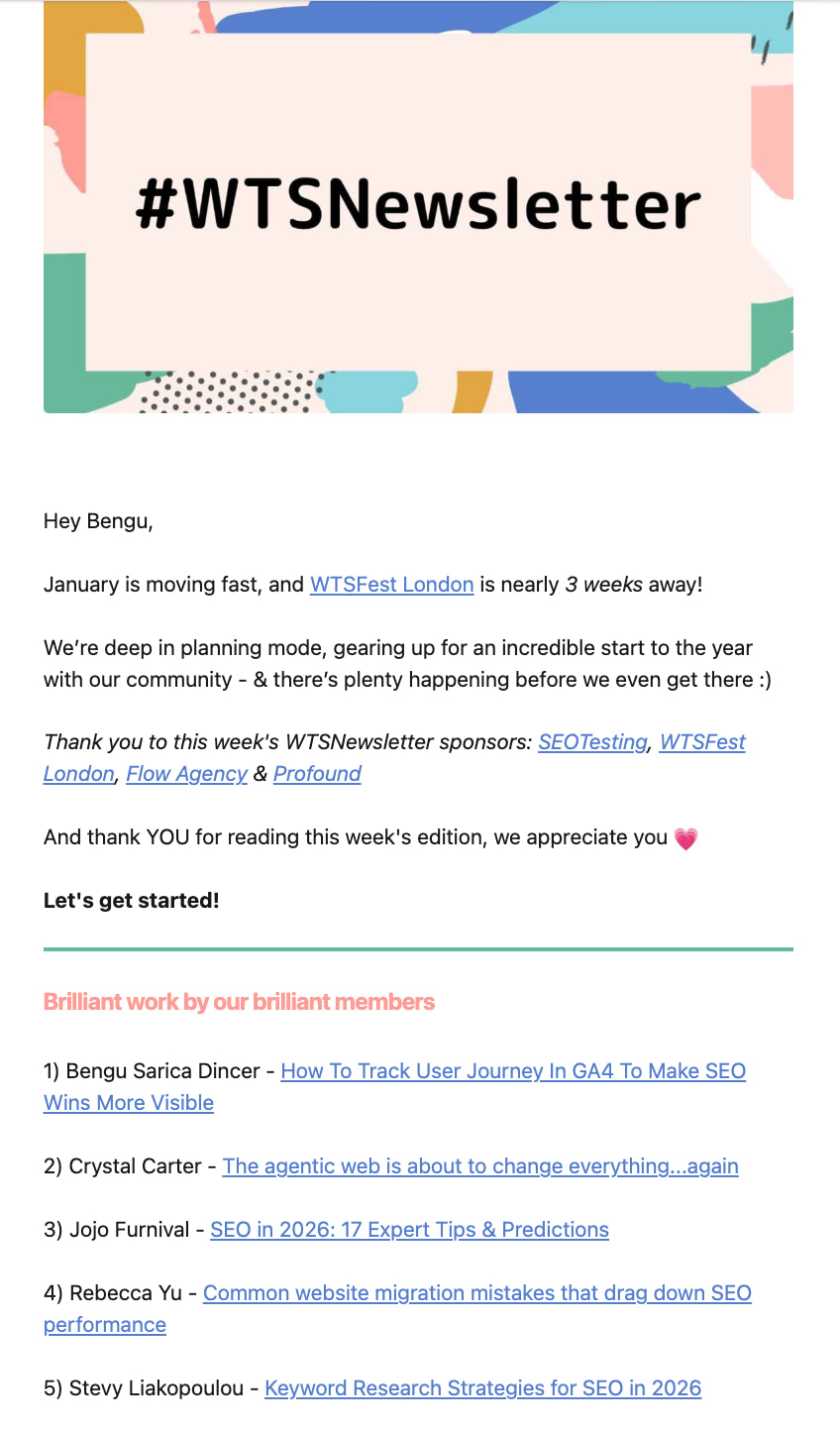
Take a look at this newsletter from WTS. Their monthly roundup walks readers through highlights, turning a long list of updates into a clear story.
13. Discuss Things You Wish You Knew Earlier
There are always things that only make sense in hindsight. This type of newsletter gives you space to talk about what you wish you had known before you started, whether that’s about work or figuring things out as you went.
These emails resonate because they feel honest. Some readers will find them motivating. Others will recognize their own struggles in what you share. Either way, it shows the reality behind the progress.
Look at this example from SoFi:
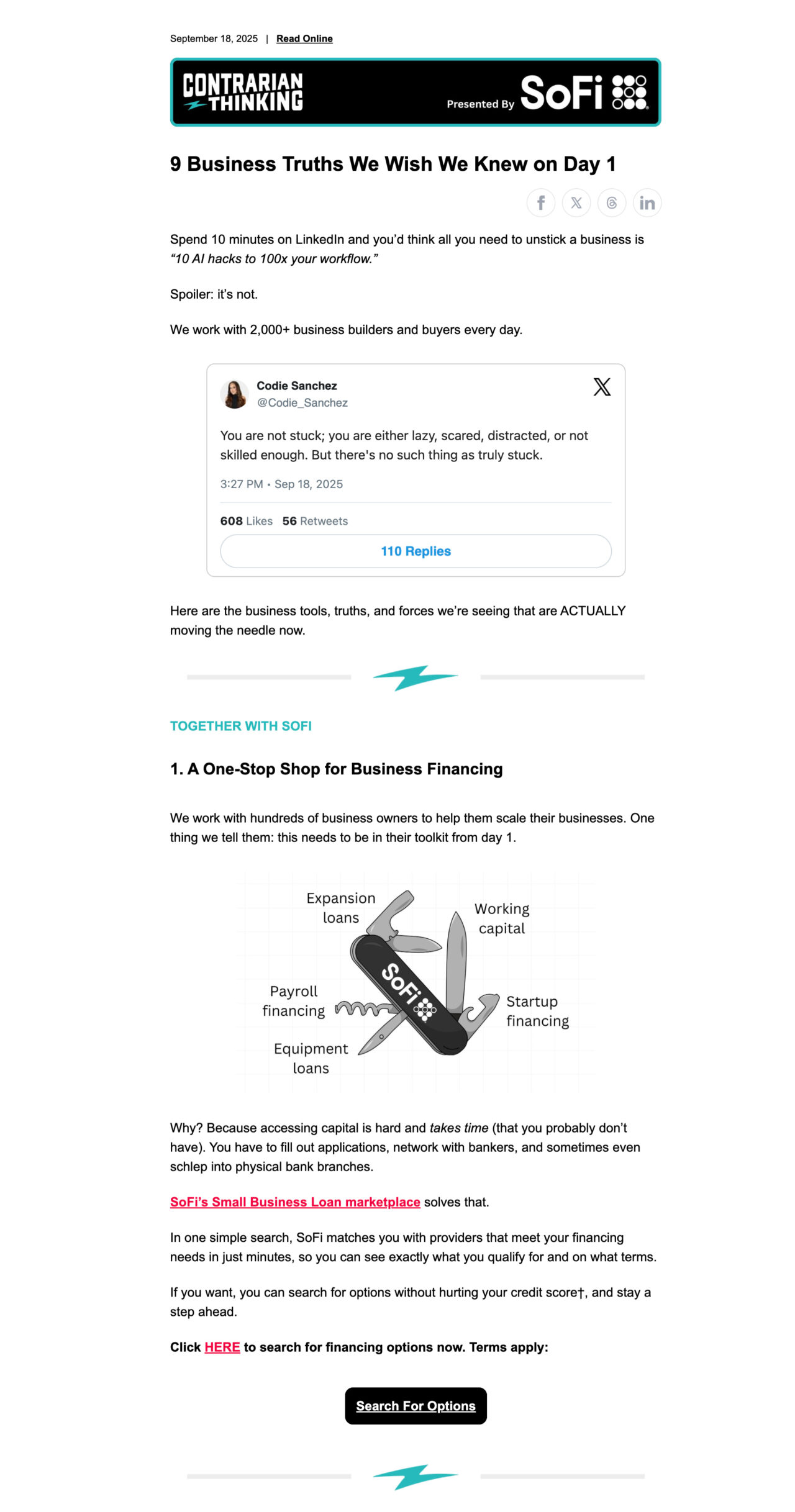
Their newsletter looks back on lessons that only become clear with experience. Instead of handing out advice, it shares perspective, which invites readers to reflect and learn in their own way.
When you talk about what you learned the hard way, your newsletter feels more thoughtful and a lot more human.
14. Mistakes to Avoid
Sometimes the most helpful thing you can share is what didn’t work. This type of newsletter focuses on common mistakes you’ve made yourself or seen others make and what went wrong because of them.
These emails tend to stick because readers recognize themselves in the mistakes. Some see a situation they’re already in. Others catch a problem before it happens. Either way, it turns experience into something practical they can use.
Here’s an example from Creative PLR.
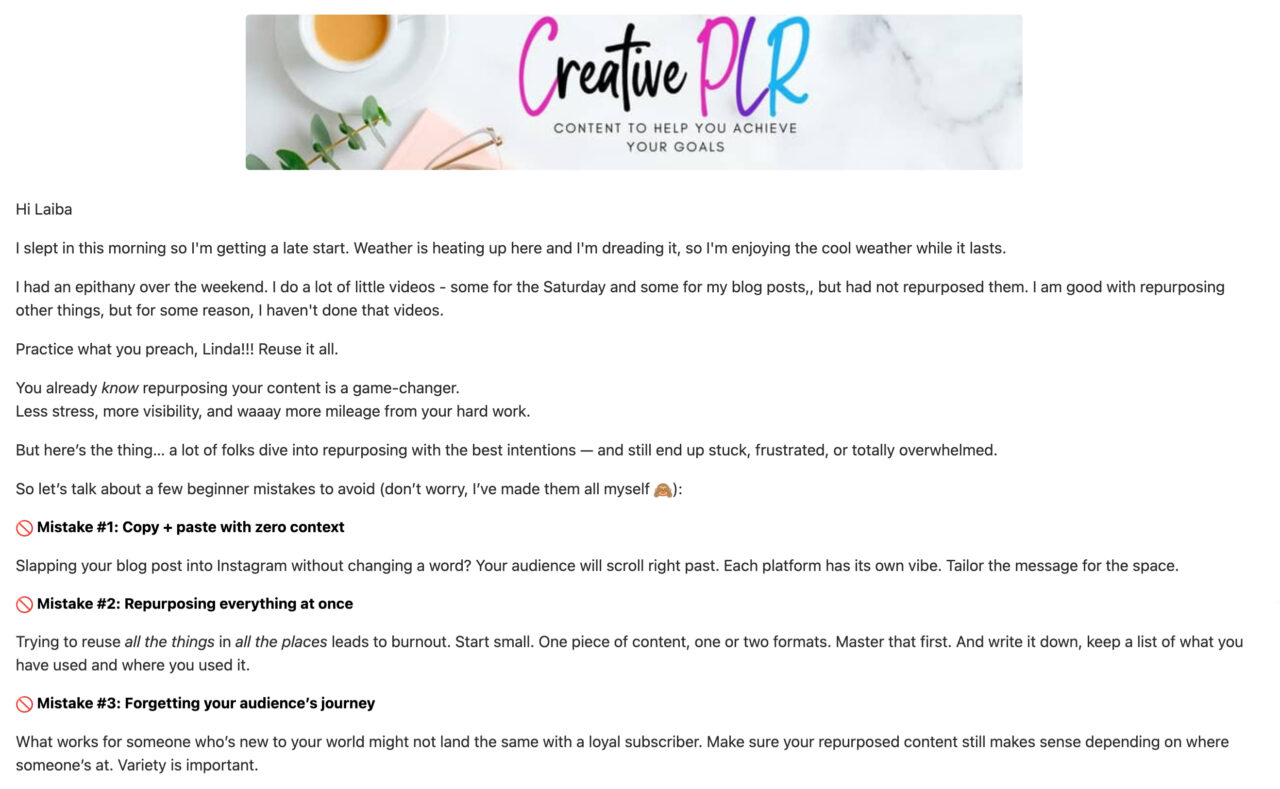
It breaks down real mistakes, explains why they didn’t work, and adds context from personal experience instead of sounding preachy.
Not every newsletter needs to feel educational or serious. Sometimes it’s enough to share something interesting that makes readers pause and think, “I didn’t know that.”
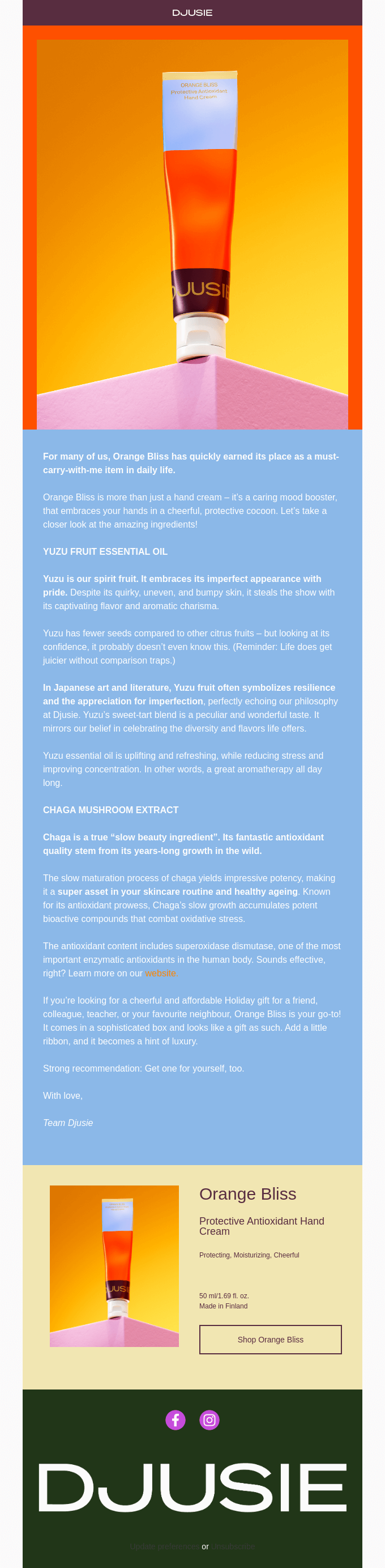
Fun facts give you room to do exactly that. You can share a surprising stat, a lesser-known detail, or a quick insight from your industry that feels more curious than instructional. These emails are easy to read and don’t demand much effort from the reader.
16. Predictions
If you have a gut feeling about what is coming next, this is the place to talk about it. You can share trends you are noticing, changes you expect, or ideas that feel like they are about to take off. People enjoy reading predictions because it sparks curiosity.
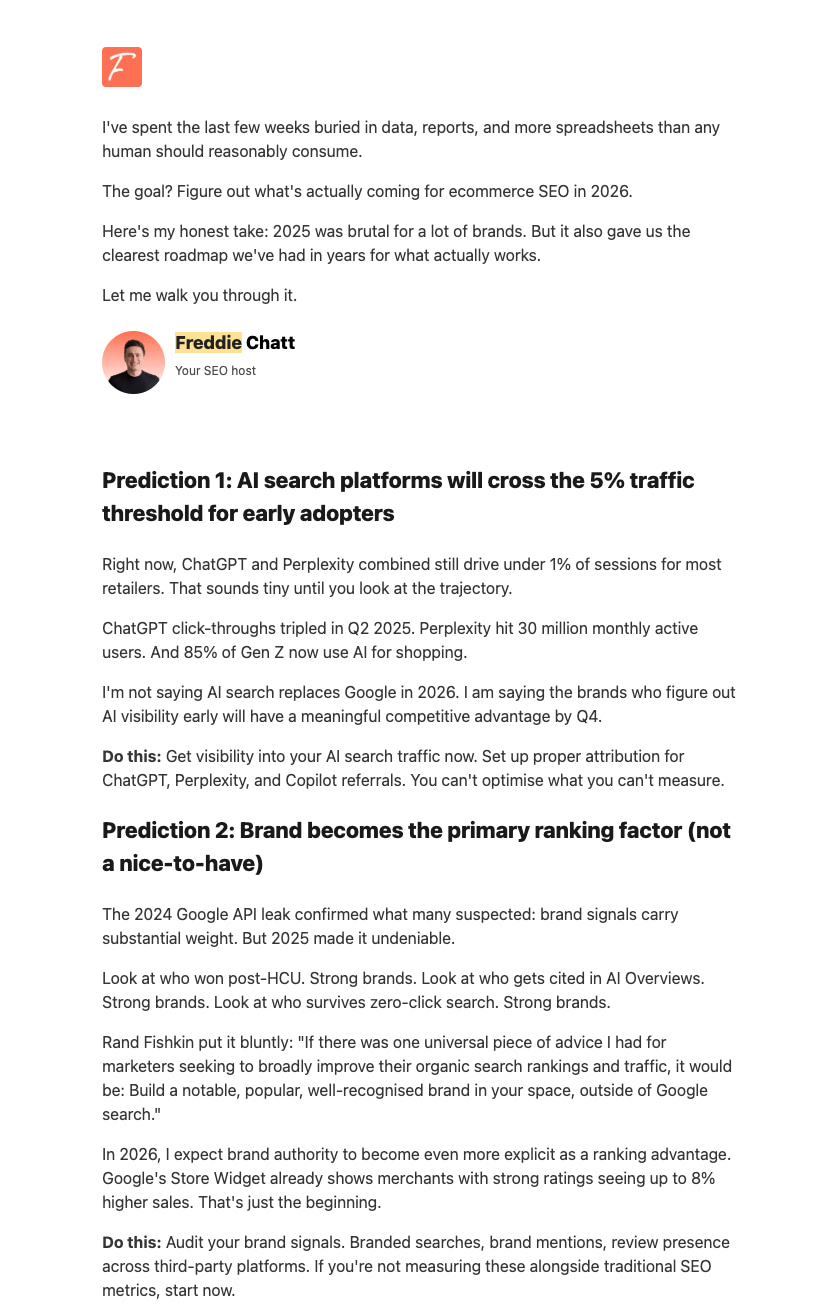
This newsletter is a good example of sharing predictions in a way that feels grounded. It explains what might change and why it matters for people working in content.
17. Celebrate a Milestone with Your Subscribers
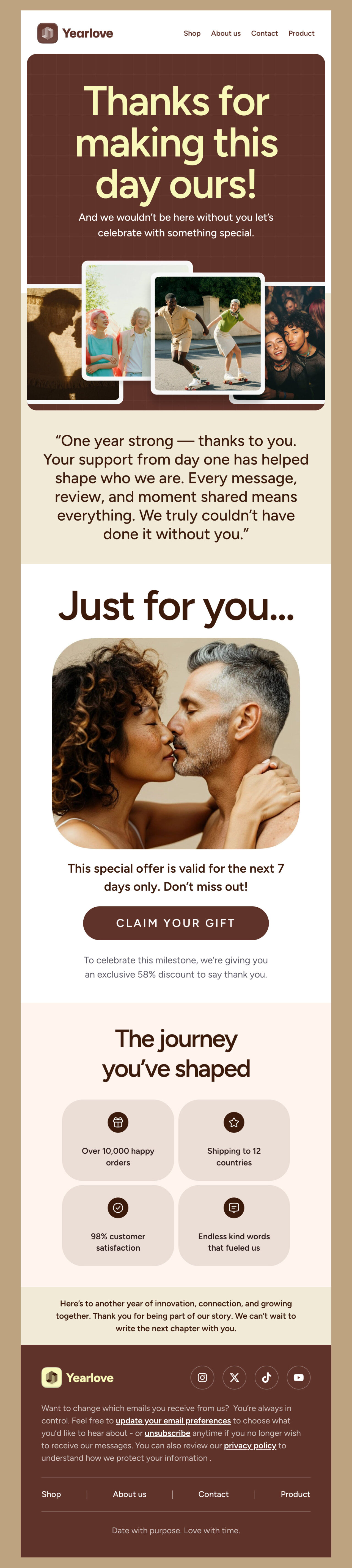
When you hit a milestone, bring your subscribers into the moment. It can be a subscriber count, an anniversary, or a big win your team just reached. Sharing such milestones makes readers feel like they are part of the journey.
And who doesn’t like being acknowledged? Everyone does.
So, when you celebrate together, it builds a stronger connection and makes your newsletter stand out from others.
Edit this email template in Postcards
This Yearlove template feels more like a thank you than an announcement. It talks directly to subscribers and reminds them that their support matters. In fact, the visuals and milestones also tell the story without needing long explanations.
18. Review Your Customer’s Year
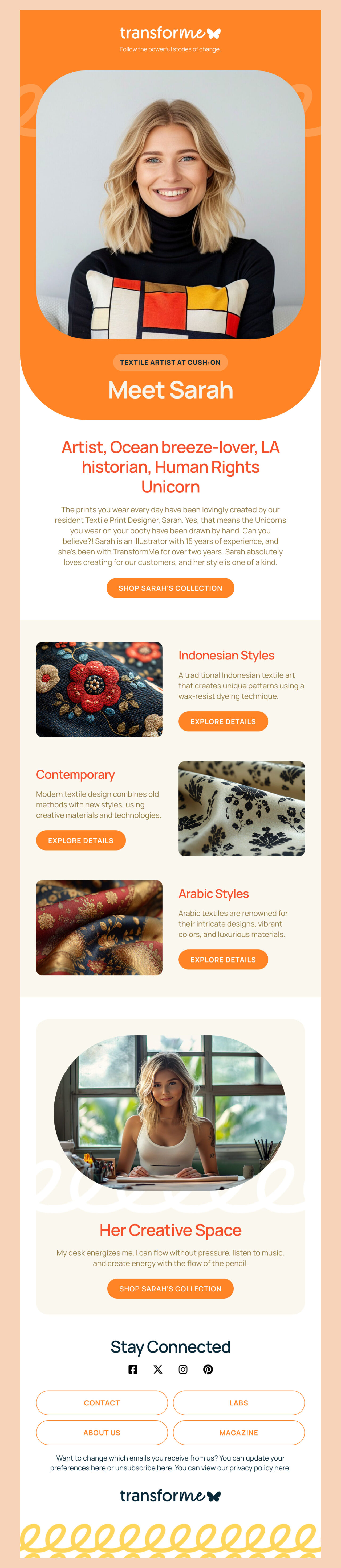
This is where you show customers a snapshot of their year with you. You point out small habits, patterns, or progress they might not have noticed. It feels personal because the focus is on their journey, not on selling anything.
People enjoy seeing insights about themselves. So, a simple line, like when they were most active or what they used the most, can surprise them.
Edit this email template in Postcards
This newsletter example highlights who they are, what they do, and how they work, and turns a yearly review into a story.
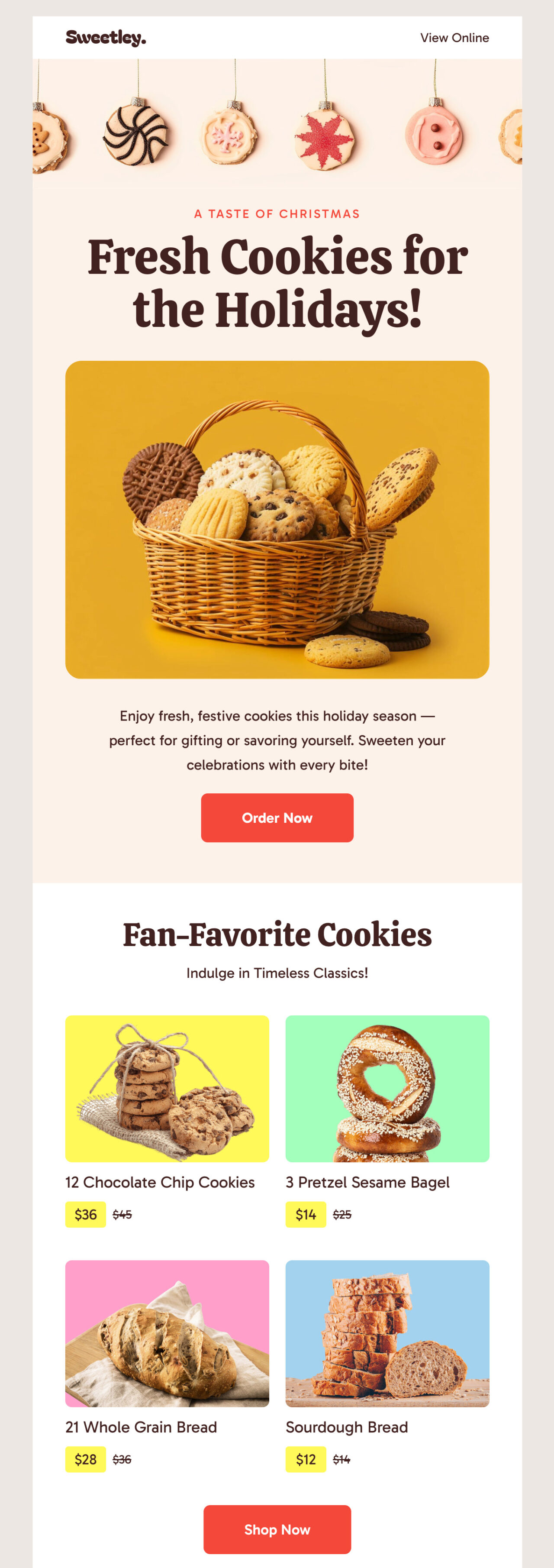
Buying gifts can be surprisingly hard. Even when you know someone well, it’s easy to get stuck or overthink it. A gift-ideas newsletter removes that friction by giving readers a short list of options they can choose from quickly.
These emails feel thoughtful because they save time. Everything is in one place, the choices are clear, and readers don’t have to search around or compare endlessly.
Edit this email template in Postcards
Thisnewsletter example makes gift shopping feel simple since the products are easy to spot, the prices are clear, and nothing feels hidden or confusing.
20. Case Studies
Case studies let you show what actually happened when someone used your product or service. You walk readers through a real situation and explain the result in simple terms. That’s why it feels more real than talking about features.
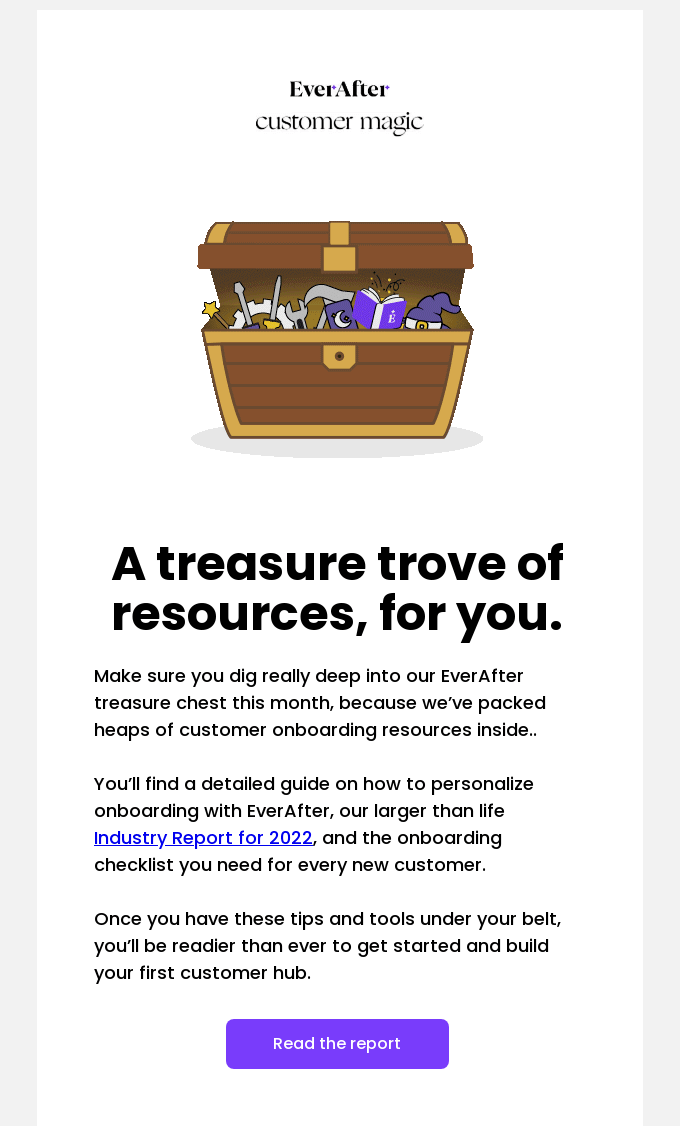
For example, you might talk about a customer who struggled with email engagement, tried one small change using your product, and saw better opens within a few weeks. You only have to explain the problem, what they did, and what changed.
Because it’s real, it feels believable. And when readers can see someone like them getting results, trust comes naturally.
When people stop opening your newsletter, it’s usually because the emails start feeling the same or feel like they’re not written for the reader anymore.
A few common mistakes tend to show up again and again:
Send the same type of email every time, which makes it feel predictable
- Talk only about updates, products, or promotions without giving value to the reader
- Write long emails that feel heavy and hard to scan
- Not mixing things up with different formats or ideas
- Make the newsletter feel one-sided instead of conversational
To avoid these mistakes and keep your newsletter interesting:
- Use different newsletter ideas instead of repeating the same format
- Share content that helps, entertains, or adds value for the reader
- Keep paragraphs short so emails are easy to scan
- Add visuals like images, GIFs, or screenshots to make the email more interactive
- Write in a natural, conversational tone so it feels human
Now that you have the ideas, turn each one of them into an actual email.
If you don’t want design to slow you down, Designmodo’s email template builder tool gives you a simple place to start. Select an email template, drop in your content, adjust the colors, and send without overthinking layout or formatting.
Choose one idea from this list, pair it with a ready-made template, and send your next newsletter. That’s it. The easier it is to execute, the more likely you are to stay consistent.
FAQs
Fun things to put in a newsletter include behind-the-scenes updates, quick tips, mini polls, fun facts, short stories, quizzes, and personal lessons. These keep the email light, relatable, and easy to read.
You can make a newsletter exciting by keeping it short, mixing formats, and focusing on one clear idea per email. In fact, using a conversational tone, visuals, and interactive elements like questions or polls also helps.
Good newsletters feel helpful and personal. They usually focus on one topic, respect the reader’s time, and offer value through insights, stories, or practical tips instead of constant promotion.
Content that works best in newsletters includes practical tips, real experiences, quick how-to guides, curated resources, and updates that help readers learn or decide faster. Such content feels relevant and easy to scan, so it performs best.