Essential Business Email Types for Professional Communication
Effective business communication starts with the right message at the right time. Business emails remain the cornerstone of professional outreach, whether you're nurturing leads, onboarding clients, or keeping stakeholders informed.
Here's how to leverage different email types to strengthen your business relationships.
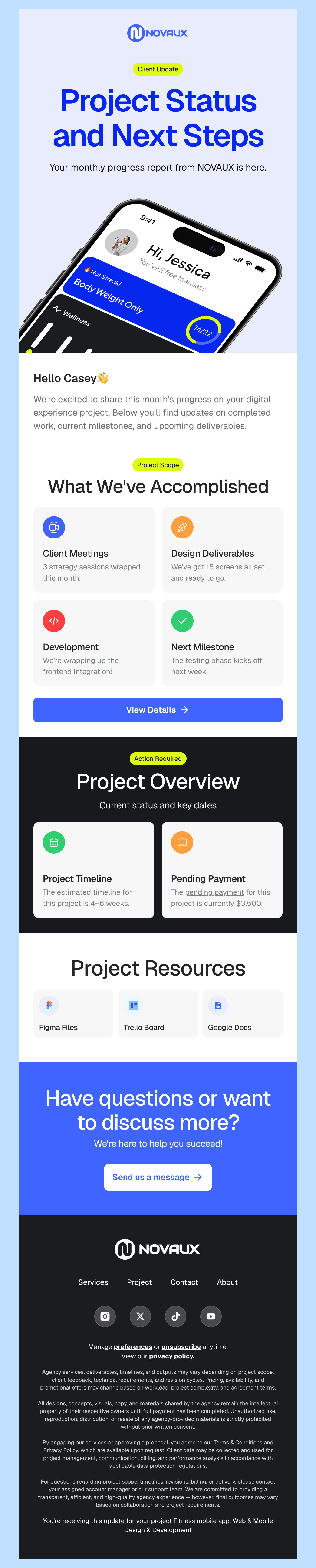
Onboarding Sequences: A well-crafted onboarding email series guides new clients through your process, sets clear expectations, and provides all the resources they need to succeed. Share important documentation, introduce key team members, and outline next steps so everyone feels confident moving forward together.
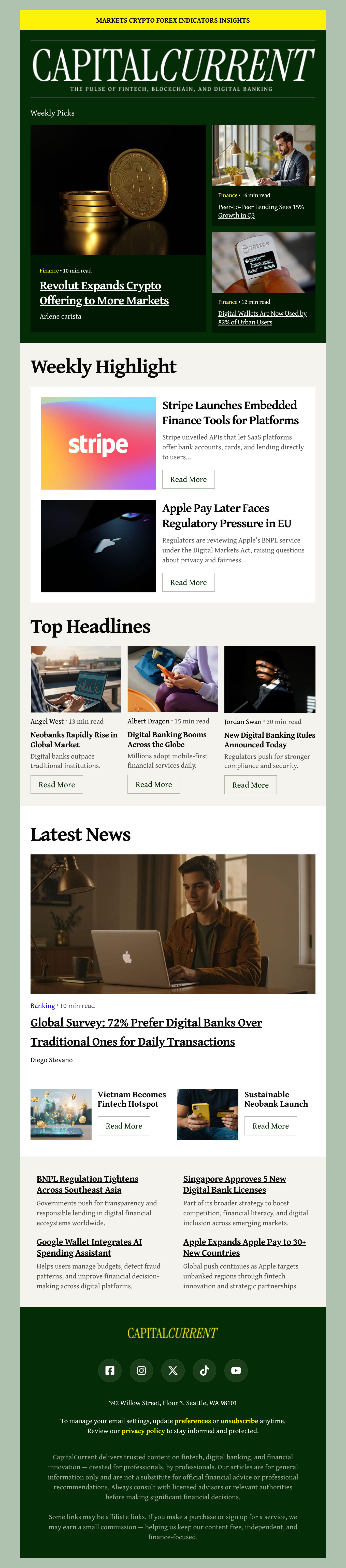
Newsletter Communications: Regular newsletters keep your business top-of-mind without being pushy. Share industry insights, company updates, case studies, and thought leadership that position your brand as an expert.
Meeting & Event Invitations: Professional event emails do more than share logistics. They build anticipation, communicate value, and make attendance easy. Whether it's a webinar, conference, client meeting, or team event, your invitation should clearly answer why someone should attend and what they'll gain from participating.
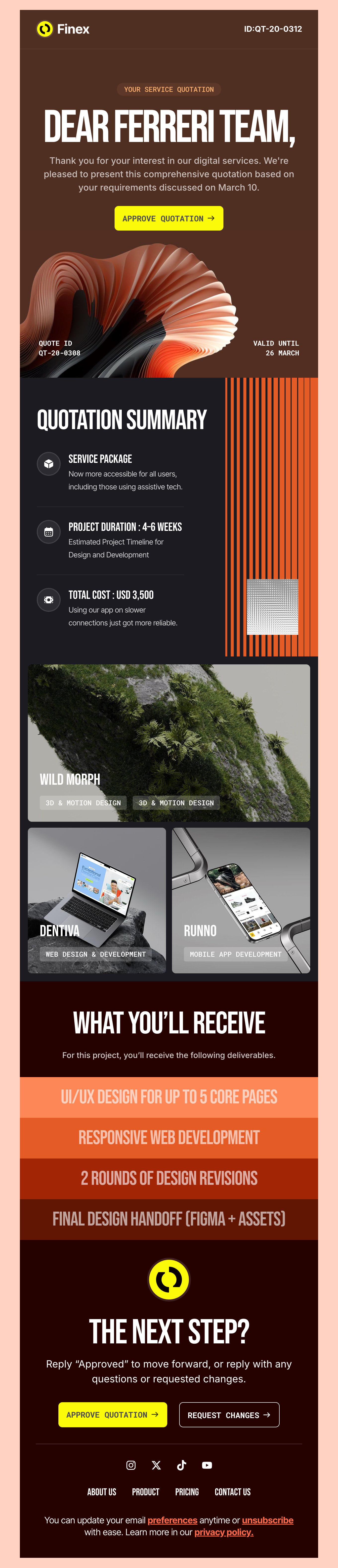
Follow-Up Messages: The fortune is in the follow-up. After meetings, proposals, or initial conversations, a timely follow-up email keeps momentum going. Recap key discussion points, confirm action items, attach relevant resources, and make it simple for recipients to take the next step. This is where many business relationships either strengthen or fade.
Best Practices for Business Email Marketing
Professional emails require a different approach than consumer marketing.
Here's how to ensure your business communications hit the mark.
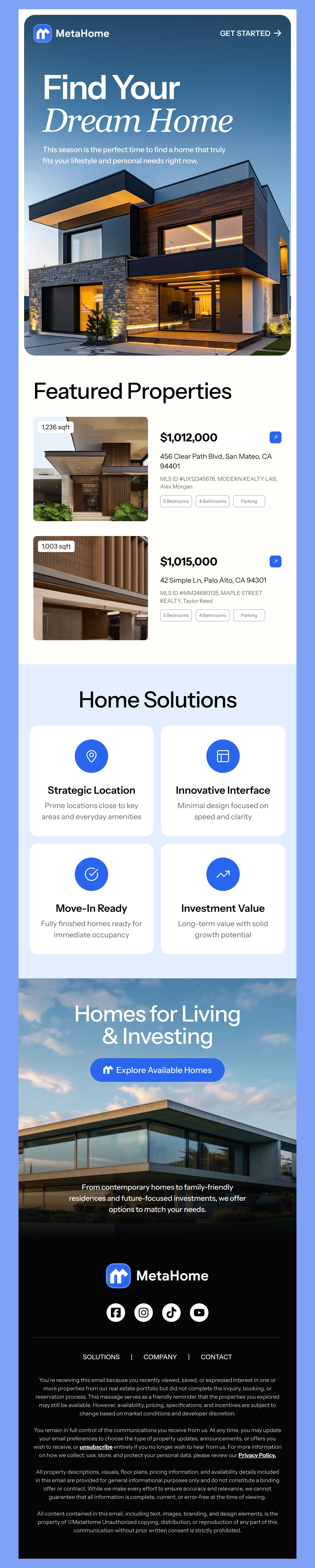
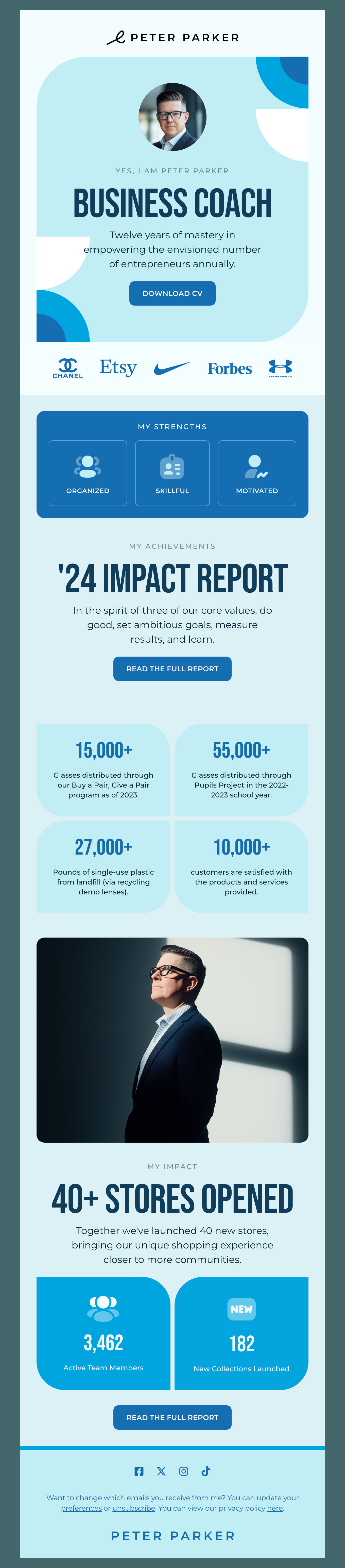
Maintain Professional Branding: Consistency builds credibility. Every email should reflect your brand identity through cohesive colors, fonts, logos, and tone of voice. When your emails look polished and professional, recipients perceive your entire business the same way. Invest in templates that align perfectly with your brand guidelines, so every message reinforces who you are.
Personalize with Purpose: Generic mass emails get ignored. Use the data you have to make messages relevant. Reference past interactions, mention specific challenges you can solve, or acknowledge milestones in your relationship.
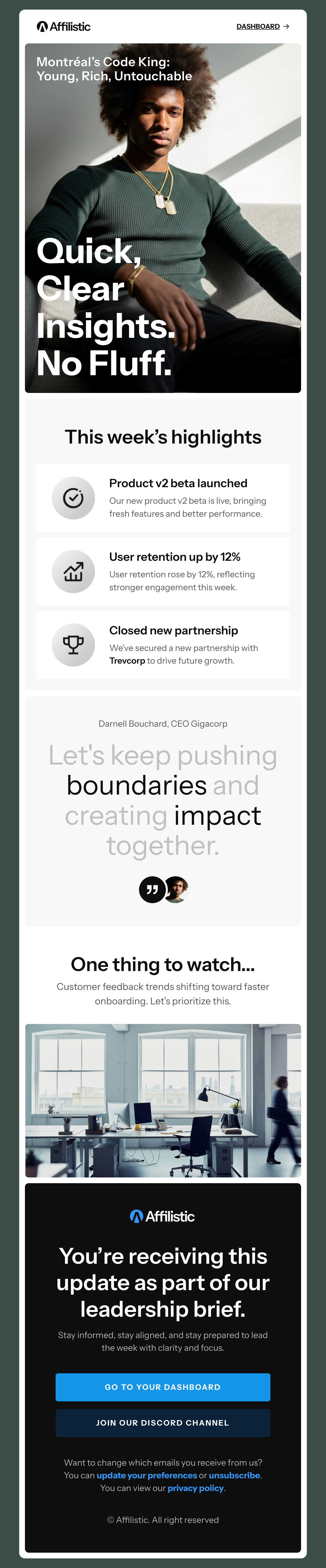
Optimize for Decision-Makers: Business professionals are busy. Get to the point quickly with scannable content, clear headings, and concise copy. Lead with the most important information, use bullet points for easy scanning, and include one clear call-to-action. Respect their time, and they'll respect your message.
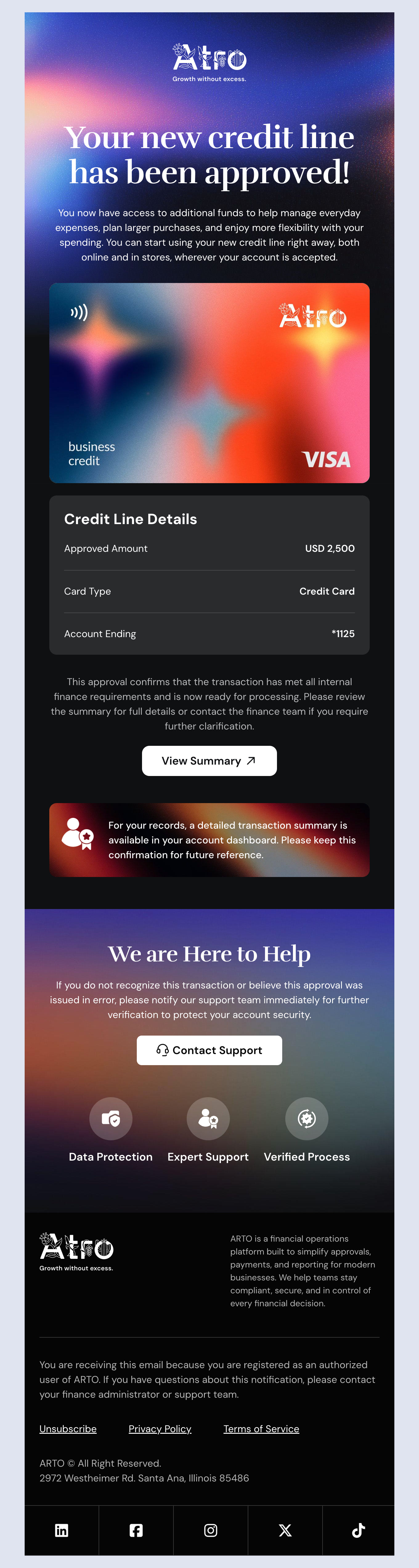
Ensure Deliverability: The best email means nothing if it lands in spam. Follow technical best practices: authenticate your domain, maintain a clean sender reputation, avoid spam trigger words, and always include an unsubscribe option. Test your emails before sending to catch any deliverability issues before they impact your campaign.
Implementing these strategies transforms your business emails from noise into valuable touchpoints that strengthen professional relationships and drive meaningful results.